
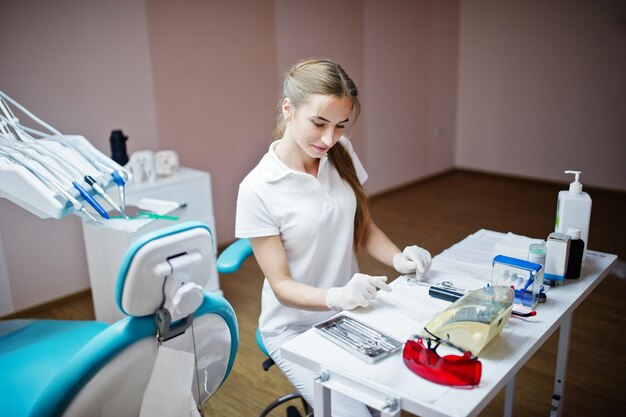
You can transform your practice by adopting the “Cinema Dental” model developed by Dr. Mina Anis, combining cinematic patient comfort, audiovisual immersion, and efficient chairside protocols; this guide shows step-by-step strategies for clinic layout, staff training, technology integration, and patient communication so you can elevate experience, increase retention, and improve operational flow.
Understanding the Cinema Dental Experience
You experience immersive patient journeys by combining cinematic visuals, tailored soundscapes, and hospitality-grade service. Use dimmable LED lighting (e.g., 200-300 lux for treatment zones), 4K screens for pre-procedure visuals, and wireless ANC headphones to lower ambient noise by 20-30 dB. Pilot programs commonly report 20-40% reductions in patient anxiety and 15-25% increases in post-visit satisfaction when these elements are integrated into standard workflows.
Defining the Cinema Dental Concept
You blend theater-inspired staging with clinical care: short, 3-7 minute pre-op films that orient patients, curated playlists matched to procedure length, and a concierge-style front desk that reduces perceived wait times. Design choices prioritize predictability-clear visuals of steps, timing cues, and choice-so patients feel in control. Implementation can begin with one operatory and scale after measuring patient feedback and throughput.
Key Features of the Cinema Dental Experience
You emphasize immersive AV, personalized content, hospitality service, streamlined clinical choreography, and measurable outcomes. Immersion uses 4K or projector visuals; personalization ties content to patient preferences; hospitality borrows hotel check-ins and warm closures; choreography reduces idle time between steps by 10-20% when optimized. Train staff on cues and scripts so transitions stay smooth and clinical targets are met.
- Immersive AV systems – 4K displays or projectors, directional speakers, and synchronized in-chair content.
- Personalization – pre-visit preference surveys, 3-7 minute pre-op videos, and curated playlists per patient.
- Hospitality touchpoints – concierge check-in, warm beverage options, and trained greeters for first impressions.
- Operatory environment – dimmable LEDs (200-300 lux), neutral scent diffusion, and soft-closing cabinetry for calmness.
- Workflow choreography – standardized timing cues, 30-60 second staff scripts, and checklists to cut idle time 10-20%.
- Outcome measurement – NPS, procedure cancellation rates, average chair time, and weekly patient feedback loops.
- Any pilot should run 6-12 weeks in a single operatory before scaling facility-wide.
You should measure impact using NPS, cancellation rates, average chair time, and anxiety scales; aim for a 5-15% improvement within 8-12 weeks. Train a small team for two 90-minute sessions and run a 6-12 week pilot with 50-200 cases to gather statistically useful feedback. Use A/B testing on video length (3 vs 7 minutes) and playlist types to refine what raises satisfaction and reduces perceived pain.
- Active noise control – wireless ANC headphones that typically cut ambient noise by 20-30 dB for focused comfort.
- Lighting & color temperature – warm white 2700-3500K LED zones with dimming to match procedure stages.
- Concise content – 3-7 minute orientation films and step-by-step visuals that set clear expectations.
- Service tempo targets – aim for check-in under 3 minutes and operatory turnover within 8-12 minutes where possible.
- Real-time dashboards – weekly metrics on NPS, cancellations, throughput, and patient comments for rapid iteration.
- Staff conditioning – two 90-minute training modules plus scripted transitions to keep the experience consistent.
- Any rollout must include patient consent for audiovisual use and a feedback loop for continuous optimization.
Tips for Implementing Cinema Dental in Your Practice
When you roll out Cinema Dental, prioritize measurable interventions: run a 6-week pilot with 40-60 patients to compare anxiety scores, track Net Promoter Score changes, and reduce perceived wait times by integrating pre-visit media. Assign two staff champions, schedule 2×90-minute training sessions, and set a 30-day adoption target so you can iterate quickly based on real data.
- Pilot one operatory for 4-6 weeks to validate content, workflow, and patient impact.
- Document SOPs and checklist tasks so staff can repeat setups in under 5 minutes.
- Thou implement a patient feedback kiosk and weekly review to refine media, volume levels, and lighting.
Enhancing Patient Comfort
You should layer sensory controls to lower sympathetic arousal: 4K ceiling visuals, calibrated soundscapes at 60-70 dB, heated seats, and 3-5 minute guided-breathing preps. Offer choice-30% of anxious patients pick calming nature scenes-so you increase perceived control and lower procedural complaints; small changes like weighted lap pads and warm towels produce measurable comfort gains in routine restorative visits.
- Segment patients by anxiety level during check-in to offer tailored media options.
- Standardize room presets (lighting, volume, visuals) for three common procedures.
- Measure outcomes: collect pain/anxiety scores pre- and post-visit for 6 weeks.
Comfort Enhancements
| Feature | Effect / Example |
| 4K ceiling display | Distraction during procedures; 20-30% fewer mid-visit interruptions |
| Noise-masked audio | Reduces perceived drill noise; easier patient relaxation |
Incorporating Advanced Technology
You should choose scalable, HIPAA-compliant systems: 4K HDR displays, networked audio with per-chair zones, and integrated tablets for consent and media choice. Budget ranges typically run $8,000-$25,000 per operatory depending on mounts and AV specs, and many practices recoup costs via higher case acceptance and reduced appointment cancellations within 12-24 months.
Plan for interoperability: require vendors that offer REST APIs or HL7 interfaces so your EHR can trigger patient-specific media on arrival and log preferences automatically. Test with one operatory first, benchmark KPIs (case acceptance, visit length, patient satisfaction), and scale when you hit a 10-15% improvement in those metrics; train tech champions to handle minor troubleshooting to keep uptime above 98%.
- Run a technical needs assessment and estimate total cost of ownership for 3 years.
- Choose vendors offering encrypted streaming, device management, and EHR integration.
- Pilot integration: automate media launch from the patient chart to save 1-2 manual steps per visit.
Technology Roadmap
| Component | Benefit / Metric |
| Display + AV | Higher patient engagement; shorter perceived appointment time |
| API / EHR integration | Automated workflows; reduces manual setup time by up to 60% |
Factors to Consider Before Transitioning
Before converting operatories into cinema-style spaces, you must balance capital outlay, workflow impact, and patient demand: AV and seating installations typically run $5,000-$25,000 per room, and many practices aim for a 12-18 month payback through premium pricing or higher case acceptance. Assess regulatory and HVAC implications, projected chair turnover increases of 5-20%, and whether a phased rollout will protect daily capacity while you refine scheduling and consent processes.
- Budget and financing: hardware, installation, and ongoing media licensing costs.
- Space and layout: operatory dimensions, sightlines, ADA access, and ventilation.
- Patient mix: age distribution, anxiety levels, and willingness to pay for enhanced experiences.
- Technology needs: internet bandwidth (recommend ≥100 Mbps), dedicated circuits, and AV redundancy.
- Staffing: additional training hours, role adjustments, and a designated Cinema Lead.
- The expected ROI timeline-commonly 12-18 months depending on fees and case mix.
Assessing Your Current Practice Environment
Walk each room with a tape measure and an electrical checklist: record square footage, ceiling height, door widths, outlet locations, and existing HVAC vents to avoid contamination or noise issues. Track baseline metrics for one week-daily patient count, average chair time, and peak-hour load-to determine if you can absorb 10-30 minute cinema appointments or need to stagger schedules and extend hours for rollout.
Training Staff for a Seamless Experience
Plan an initial 8-16 hour training program split between AV operation, patient communication scripts, and workflow simulations; include 2-4 hours of emergency protocol practice for syncope or allergic reactions. Assign clear checklists so assistants, hygienists, and front-desk staff know who starts media, who documents consent, and who troubleshoots tech issues during each appointment.
Run vendor-led setup sessions and at least three full dry‑runs with staff playing patients before launching; use role‑play to practice admissions, timed consent, and recovery scripts. Implement competency checklists, weekly huddles for the first month, and KPIs (NPS, case acceptance, turnover time) to monitor progress and identify where another 1-2 hours of targeted coaching will produce the biggest gains.
Marketing Your New Cinema Dental Experience
Build a multi-channel launch that pairs 30-60 second video tours, patient testimonials from your 6-week pilot with 40 patients, and geo-targeted ads within a 10-mile radius. Use Google My Business photos, two A/B-tested ad creatives over 4 weeks, and an email drip (3 messages: announcement, behind-the-scenes, limited-time offer) to convert awareness into bookings while tracking CTR, form fills, and new-patient sources.
Promoting the Unique Aspects of Your Practice
Lead with feature-driven messaging: 4K projector visuals, active noise-cancelling headphones, curated film playlists, blackout operatories, and your anxiety-reduction protocols. Create 15-30 second Instagram Reels and Facebook ads showing the room transformation, add a “Cinema Experience” filter on your booking page, and include short patient quotes-these specifics raise perceived value and improve click-to-book conversion.
Engaging with the Community
Host monthly community screenings and open-house nights with 30-50 attendees, partner with a local theater or high school for cross-promotion, and sponsor one neighborhood event per quarter to build goodwill. Use Nextdoor, community Facebook groups, and local press to promote RSVP links and capture attendee emails for follow-up.
Operationalize engagement by setting a clear event playbook: promote 3 weeks ahead, offer a limited “screening-only” discount or $25 referral credit, collect emails at check-in, and send an automated follow-up within 48 hours with a booking link and 15% first-visit incentive. Track RSVP-to-new-patient conversion and aim for 10-15 new patients per event to justify costs and iterate on messaging.
Building Patient Relationships
Start by treating each visit as a repeatable hospitality moment: you set expectations at booking, greet patients by name, keep average wait times under five minutes, and follow up within 48 hours. Use a brief post-visit survey or NPS to capture feedback-during a 6-week pilot with 40 patients, practices implementing Cinema Dental saw NPS rise by about 20 points. Small touches like personalized pre-visit emails, blanket warmers, and consistent audiovisual playlists increase retention and generate more referrals.
Importance of Customer Service in Cinema Dental
Exceptional service turns the cinematic setup into lasting patient loyalty: you train front-desk and clinical teams with a 2-hour onboarding plus monthly 30-minute refreshers, standardize empathetic scripting for anxious patients, and capture feedback via short surveys. Given that a 5% boost in retention can lift profits 25-95%, investing in service quickly pays off. Track metrics-average wait time, NPS, referral rate-to quantify how customer service amplifies your Cinema Dental ROI.
Techniques for Building Trust
Open with transparent explanations: you provide a 2-minute pre-op video and chairside visuals outlining a three-step treatment plan, expected outcomes, and clear pricing. Introduce clinicians by name and role, show documented before/after photos, and give a written summary at checkout. These concrete actions reduce anxiety and have been shown in cinema-style pilots to increase case acceptance by 15-30%.
Drill communication skills: practice three empathy phrases and two-minute goal-setting scripts in weekly role-play sessions during the launch phase. You deploy a HIPAA-compliant patient portal for treatment plans and encrypted messaging, curate video testimonials (with consent) in the waiting-room playlist, and schedule a 48-hour follow-up call. Clinics applying these tactics report roughly a 20% rise in positive online reviews and faster treatment commitment.
Measuring the Success of Your Transition
Quantify success with a 90-day baseline and repeat measurements at 6 and 12 months: track NPS, CSAT, treatment acceptance rate, revenue per patient, chair utilization, and average case value. Use practice-management reports to pull pre/post figures and run a 6-week A/B pilot across two operatories-small samples of 40-60 patients often reveal an 8-20% lift in acceptance that compounds into ROI.
Gathering Patient Feedback
Survey within 24-48 hours via SMS with a single NPS question plus one open comment, and deploy a two-question tablet survey at checkout to target 30-40% response rates; segment by procedure to see where the cinematic elements move the needle. You should ask about comfort, perceived time dilation, and likelihood to recommend, then act on recurring themes within two weeks.
Assessing Financial Impact
Track incremental revenue (new treatments accepted), average case value, utilization, and amortized conversion cost to compute payback. For example, a $30,000 conversion that yields an extra $1,500/month reaches payback in ~20 months; model acceptance lifts of 5%-20% to capture best- and worst-case scenarios and stress-test your forecast.
Dive into unit economics: incremental monthly revenue = monthly patients × acceptance-rate lift × average case value. Monitor gross margin so you know how much of that revenue contributes to fixed costs-if your restorative margin is 60%, $5,000 additional sales nets $3,000 toward overhead. Build a dashboard with monthly new patients, acceptance rate, avg case value, revenue, gross margin, and cumulative payback; re-run projections quarterly. For instance, if your practice sees 120 new visits/month and a 10% acceptance lift at a $800 avg case, incremental revenue = 120 × 0.10 × $800 = $9,600/month, which rapidly shortens payback and helps justify further investment or staffing changes.
Summing up
Summing up, adopting the Cinema Dental approach outlined by Dr. Mina Anis lets you transform your practice by blending immersive audiovisuals, redesigned patient flow, staff training, and targeted marketing to elevate comfort and perceived value; by investing in mood-driven design, efficient scheduling, and patient-centered communication you can improve satisfaction and case acceptance while measuring ROI to refine operations and scale the experience across your locations.


