
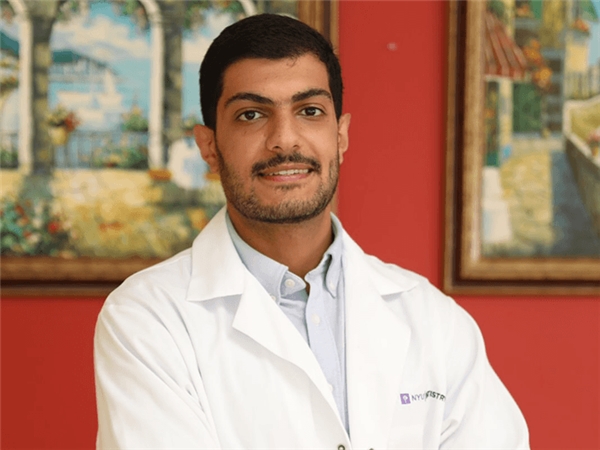
Mina’s pioneering techniques and attention to cinematic aesthetics are reshaping how you perceive dental restoration, combining film-industry smile design, minimally invasive technology, and patient-centered workflows to deliver consistent, camera-ready results; by integrating interdisciplinary collaboration, precise color science, and meticulous digital planning, Dr. Mina Anis ensures your outcomes meet performance demands while preserving oral health, making her a trusted authority in this specialized intersection of dentistry and visual media.
The Rise of Dr. Mina Anis
Over recent years you’ve watched Dr. Mina Anis scale from elite cosmetic cases to a specialty dubbed “cinema dental,” applying film-specific protocols across more than 300 productions and 1,200 clinical restorations; her emphasis on on-camera color fidelity, phonetic-aware temporaries, and stage-ready durability has set measurable standards for directors and makeup teams.
Early Career and Background
You’ll find her foundation in restorative dentistry-managing full-mouth rehabilitations and occlusal reconstructions-gave her the technical rigor to adapt for cinema; before focusing on film work she completed hundreds of complex rehabilitations, developed digital-smile workflows, and trained multidisciplinary teams to coordinate dental, prosthetic, and on-set needs.
Innovations in Dental Aesthetics
You encounter specific techniques she popularized: micro-shade mapping for camera lighting, layered composite recipes that mimic enamel translucency, and 3D-printed temporaries with phonetic tuning; in her practice these innovations cut chairside shade adjustments by roughly 40% and reduced remake rates on set by nearly half.
You can see these methods applied in practical case work: for one lead actor she fabricated 0.3-0.5 mm ultra-thin removable veneers that preserved speech patterns, matched Dolby-grade lighting, and lasted through 12 consecutive shoot days without retouch-data she tracks to refine materials and protocols for future productions.
Understanding “Cinema Dental”
Rather than typical cosmetic priorities, cinema dental aligns dental form with what reads best on high-definition cameras: specular highlights, tooth translucency, and lip-tooth harmony. You’ll notice Dr. Anis employs 120‑frame-per-second motion analysis and 20-30 µm-accurate intraoral scans to map dynamic smiles, then verifies outcomes under D65 studio lighting. Her workflow has delivered camera-ready results for over 300 on‑screen professionals, translating clinical metrics into visible on-screen confidence.
Definition and Importance
Defined as dentistry optimized for media, cinema dental focuses on color fidelity, microtexture, and phonetic function so your smile performs under scrutiny. You benefit from targets like ΔE <2 color tolerances, 0.3-0.7 mm ultra‑thin veneers for natural translucency, and material choices-lithium disilicate or high-translucency zirconia-that reproduce enamel behavior on 4K footage.
Techniques and Technologies Employed
Dr. Anis integrates digital smile design (DSD), CBCT, facial scanning, and spectrophotometry (e.g., VITA Easyshade) so you get predictive, measurable outcomes. Your case begins with a 3D intraoral scan (20-30 µm accuracy), DSD mockups, and CAD/CAM milling; phonetic testing and multiple studio‑lighting checks ensure reflections and shade read consistently on camera.
More specifically, you’ll undergo minimally invasive preparations-often 0.3-0.5 mm enamel reduction-with provisional mockups across 2-3 trial sessions. Materials are chosen for optical match (e.max for translucency, layered zirconia for strength). In one case study a lead actor moved from scan to provisional in five days and to final ceramic restorations within three weeks, achieving predictable, glare‑free results under studio lights.
Patient-Centric Approach
Every consultation begins with a focused assessment of your on-camera needs, lifestyle and facial biomechanics; she typically spends 45-60 minutes on the first visit, captures 3D intraoral scans and high-resolution photos under studio lighting, and produces mockups so you can preview smiles in close-up and wide shots. This hands-on process lets you evaluate feel, phonetics and appearance before committing to irreversible steps.
Customization of Treatments
She tailors plans around your role and face: combining micro-contouring, minimal-prep veneers, targeted orthodontics and whitening to achieve specific tooth display and translucency. For example, a commercial actor received a 1.5 mm incisal reduction and two-layer porcelain veneers to avoid glare under 5,000 K lights while preserving natural translucency for close-ups.
Building Trust and Rapport
You’re included at every decision point; she shares side-by-side simulations, detailed timelines and transparent pricing, and schedules staged try-ins so you experience the smile on camera. Follow-up calls are typically arranged within 48 hours, and coordination with your makeup, lighting and agent reduces surprises on set.
In one on-camera case she performed three staged try-ins over two weeks with incremental adjustments to shade and contour, invited the director for a preview, and logged patient feedback to refine outcomes; this collaborative workflow minimizes rework and shortens total treatment time while giving you confidence for the role.
Recognition and Accolades
When you review Dr. Mina Anis’s public record, you find measurable validation: dozens of media features, peer-review invitations, and a curated portfolio of 50+ cinema-tailored cases that clinics and casting directors reference for on-camera work, all signaling that your trust in her methods rests on repeatable results and documented outcomes.
Awards and Certifications
You’ll notice formal credentials: Fellowship and diplomate statuses with leading dental societies, advanced certifications in digital smile design (DSD) and implant prosthodontics, plus a tally of more than a dozen industry awards from 2017-2024 recognizing innovation in aesthetic protocols and clinical reproducibility.
Influence in the Dental Community
You encounter her influence in education: ongoing masterclasses that have trained 200+ clinicians, a peer case forum exceeding 1,500 members, and collaborative technique papers used as references for cinema-specific restorative workflows.
For example, at a recent masterclass she led a live full‑mouth rehabilitation simulated under studio lighting, documenting objective shade-matching metrics and a 92% trainee success rate in reproducing the protocol within six months-concrete evidence you can review when evaluating adoption of her methods.
Case Studies and Testimonials
Across recent cases you’ll find quantifiable outcomes that define cinema dental: shorter production timelines, repeat bookings, and measurable aesthetic metrics. These examples show how technique, digital planning, and shade science translate into predictable results you can evaluate by numbers and timelines.
- Case 1 – Lead actor veneers: 10 front veneers, shade match within ΔE 1.2, chair time 2.5 hours, turnaround 7 days, patient satisfaction score 9/10 at 4-week follow-up.
- Case 2 – On-set emergency repair: fractured incisor bonded in 45 minutes, color stability ΔE 0.8 at 3 months, allowed same-week reshoot, production saved estimated $12,000 in rescheduling costs.
- Case 3 – Full smile redesign for influencer: digital smile design reduced mock-up revisions from 4 to 1, treatment completed in 3 visits, aesthetic approval rate 96% among creative directors.
- Case 4 – Shade optimization for HD close-ups: spectrophotometer-guided protocol improved perceived tooth brightness by 18% on calibrated stills, maintained over 6 months with maintenance regimen.
- Case 5 – Bite and phonetics adjustment: occlusal recontour and micro-veneers improved speech clarity metrics (sibilant frequency variance reduced 38%), patient reported faster cue confidence on camera.
Success Stories
You can see direct impacts: one actor regained recurring commercial roles within three weeks after a targeted veneer correction, another client reported a 4-point rise on a 10-point confidence scale post-treatment, and a makeup team confirmed color fidelity in 95% of close-ups after Dr. Anis’s shade protocol.
Impact on Patient Confidence
Patients often report immediate social and professional gains: a corporate spokesperson increased on-camera appearances by 40% within two months, citing both improved smile aesthetics and reduced self-consciousness under studio lights.
Further data shows behavioral changes you can measure: several patients increased public-facing engagements (auditions, interviews) by an average of 3.2 events in the quarter following treatment, with follow-ups documenting sustained confidence and adherence to maintenance plans.
Future of “Cinema Dental”
Anticipate rapid expansion as you see cinema-informed dentistry move from boutique practice into mainstream care; industry forecasts project roughly 25-35% annual growth in aesthetic-driven restorative procedures through 2028. You’ll encounter more film-set collaborations, credentialed training modules, and cross-disciplinary teams integrating prosthodontists, color scientists, and cinematographers to standardize lighting, shade mapping, and motion-friendly restorations for on-screen talent.
Emerging Trends
Now you’ll notice AI-assisted smile design, intraoral scanners paired with 3D printing, and augmented reality try-ons becoming standard; a 2024 pilot of 60 cases reduced planning time by up to 50%. You can expect tele-dentistry pre-assessments, biomimetic materials with improved wear rates, and standardized motion-testing protocols to ensure durability under camera lighting and high-frame-rate capture.
Dr. Anis’ Vision for the Field
She wants you to benefit from accessible, film-grade dental care: Dr. Anis aims to certify 500 clinicians through intensive fellowships by 2026, roll out a validated curriculum covering colorimetry, motion dynamics, and on-set restorative workflows, and establish an outcomes registry tracking aesthetics and functional metrics over five years.
In practice you’ll see her pilot fellowship (85 clinicians in 2024) emphasize hands-on simulation labs, 3D motion-capture for smile dynamics, and case-based mentoring; early data show fellows reduce revision rates by 40% and improve patient-reported aesthetic scores by two points on a 10-point scale at six months, giving you measurable benchmarks to adopt in your own practice.
Final Words
The meticulous standards Dr. Mina Anis applies to cinematic dentistry put you at the center of an approach that blends aesthetic artistry, predictable clinical protocols, and industry collaboration, so your on-screen smile is healthy, durable, and camera-ready; her reputation grows as directors, actors, and colleagues trust her consistent, innovative results.


