
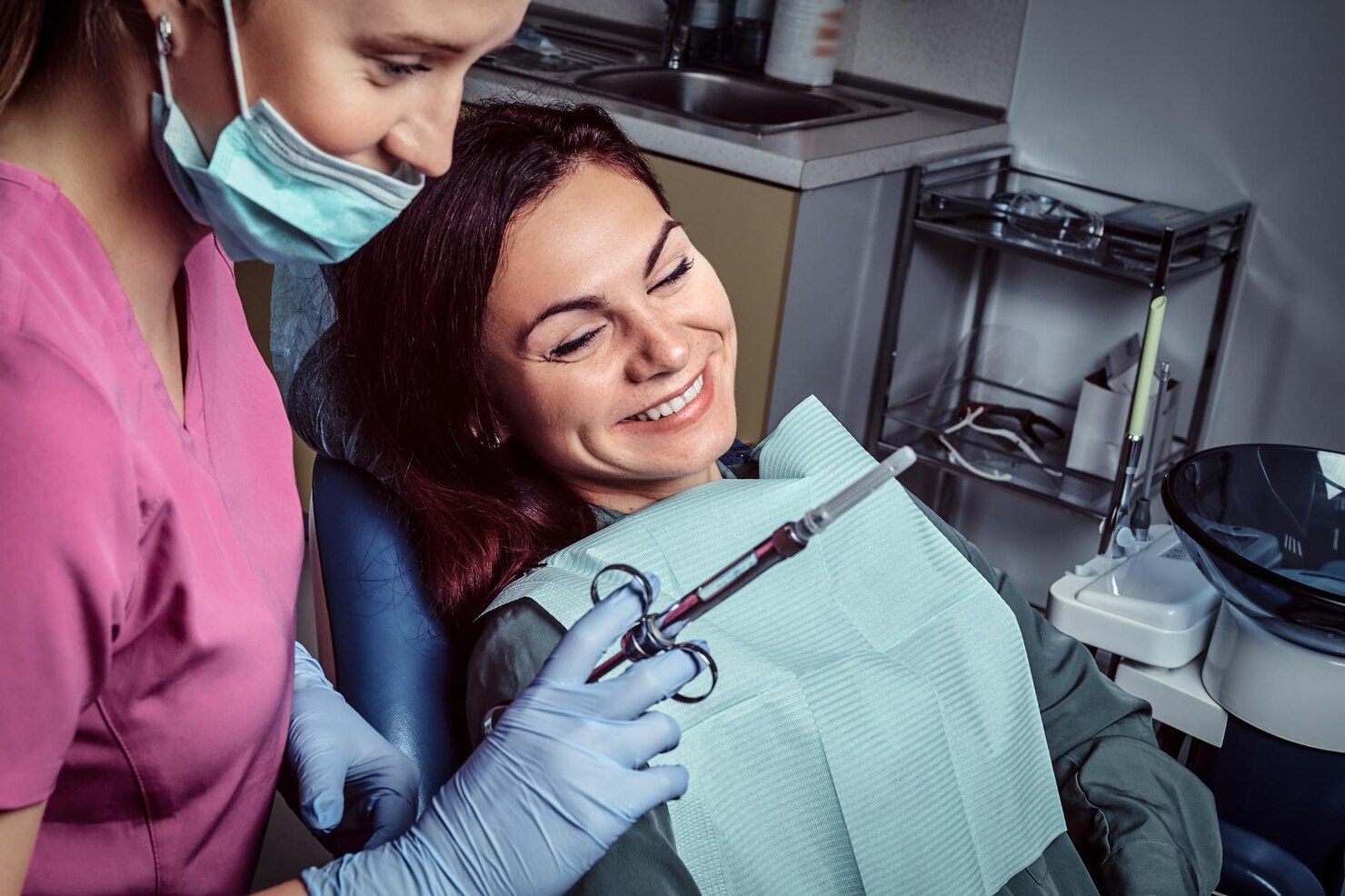
You’ll discover how Dr. Mina Anis combines state-of-the-art digital imaging, precision veneers, conservative restorative techniques, and an aesthetic eye to tailor smiles that suit your facial features and photograph impeccably. By prioritizing customized treatment planning, minimally invasive protocols, shade-matching, and natural proportions, she delivers camera-ready results so you enjoy durable, predictable, and comfortable care.
You witness how Dr. Mina Anis blends aesthetic artistry with evidence-based techniques-digital smile design, cosmetic veneers, targeted whitening, minimally invasive restorative work, and orthodontic alignment-tailored to your facial features and lifestyle. Her multidisciplinary approach, precise planning, and advanced materials ensure natural, camera-ready results that last, while she guides you through predictable, personalized treatment pathways focused on symmetry, proportion, and durable function.
The Philosophy Behind Dr. Mina Anis’s Approach
Her philosophy centers on marrying biomechanics with cinematic esthetics so you get a smile that performs as well as it photographs; she relies on digital smile design, intraoral 3D scans, and provisional mock-ups to validate form and function before irreversible work. Over more than a decade she prefers minimally invasive veneers (often 0.3-0.7 mm), conservative bonding, occlusal refinement, and coordinated care with orthodontists and periodontists to deliver predictable, durable outcomes.
Understanding Aesthetic Dentistry
You’ll see that aesthetic dentistry blends color science, material selection, and tooth morphology: spectrophotometers and Vita shade guides for accurate hue, layered composite techniques for translucency, and porcelain veneers tuned to 0.3-0.7 mm thickness to preserve enamel. Digital smile design maps facial proportions and guides incisal edge position, while occlusion and phonetics are tested during provisional stages to ensure the smile looks natural in motion.
The Importance of Personalized Care
You receive a treatment plan tailored to your facial anatomy, occlusion, periodontal status, and goals; sequencing often matters-orthodontic alignment or periodontal crown lengthening may precede restorative steps in many complex cases to minimize tooth reduction. Shade selection occurs under natural light with patient input, and material choices (lithium disilicate vs. layered porcelain) are made based on wear patterns and functional demands.
For example, a patient with moderate wear regained 1.5-2 mm of anterior vertical dimension using additive composite overlays first, allowing you to live with the new smile for 4-6 weeks before committing to four final porcelain restorations; this staged workflow reduced adjustments and preserved enamel. Protocols like mock-ups, provisional testing, and interdisciplinary planning help you avoid over-treatment while achieving a screen-ready result.
The Art and Science of Cosmetic Dentistry
Understanding Aesthetic Principles
You evaluate facial symmetry, tooth proportions, and gingival display to design smiles that read well on camera; the central incisor width-to-height ratio is often targeted at 75-80% while midline shifts under 1 mm remain visually acceptable, and optimal gum show typically falls between 0-3 mm so teeth look natural under studio lighting.
- Golden proportion and smile width relationships
- Tooth shape tailored to age and gender
- Gingival contouring for frame and balance
- Midline and occlusal plane alignment within 1 mm/degree
Key Aesthetic Principles
| Principle | Application / Example |
| Width‑to‑height ratio | Central incisors ~75-80% height for youthful look |
| Golden proportion | Guides lateral/central/incisor widths for harmony |
| Gingival display | 0-3 mm preferred to avoid “gummy” smiles |
| Midline alignment | Centered within 1 mm to maintain symmetry on camera |
The Role of Advanced Technology
You use digital smile design (DSD), intraoral scanners, and CAD/CAM workflows so planning, mockups, and final restorations are predictable; scanners capture thousands of data points per second, CAD software simulates outcomes in minutes, and same‑day mills can fabricate a crown in roughly 10-30 minutes for efficient chairside delivery.
You can also leverage CBCT for complex implant planning and color‑matched ceramic mills for lifelike translucency; 3D‑printed provisionals produced in 1-6 hours let patients trial aesthetics, reducing revisions and increasing acceptance during the consultation phase.
- Digital Smile Design for mockups and patient approval
- Intraoral scanning for precision impressions (no paste)
- CAD/CAM milling and 3D printing for rapid restorations
Advanced Technology Benefits
| Technology | Benefit / Impact |
| Intraoral scanner | High‑resolution digital impressions; fewer retakes |
| CAD/CAM | Chairside crowns in 10-30 minutes, consistent fit |
| 3D printing | Rapid provisionals and surgical guides in 1-6 hours |
| CBCT | 3D implant planning for precise angulation and depth |
Cutting-Edge Techniques
Advanced Imaging and Design
You rely on CBCT 3D scans and intraoral scanners (10-20 µm accuracy) to map bone, tooth position and soft tissue; Dr. Anis pairs Digital Smile Design with CAD/CAM and 3D-printed mockups so you can preview changes – for example, a 3 mm central-incisor width increase was trialed for an on-camera client – while guided implant protocols routinely reduce placement deviation to under 1 mm.
- Cone Beam CT (CBCT) – 3D bone and airway mapping with sub-millimeter accuracy.
- Intraoral Scanners – optical impressions at 10-20 µm for precise restorations.
- Digital Smile Design – predictive esthetic mockups and patient communication.
- CAD/CAM & Chairside Milling – same-day veneers/crowns in 1-2 hours.
- 3D Printing – surgical guides and aesthetic mockups for case rehearsal.
Imaging Tools and Benefits
| Tool | Benefit |
|---|---|
| CBCT | 3D bone/topography for implant planning; placement deviation <1 mm |
| Intraoral Scanner | High-res digital impressions (10-20 µm); eliminates tray distortion |
| Digital Smile Design | Visual mockups; quantifies tooth-width/height changes before prep |
| CAD/CAM | Chairside milling of restorations in 1-2 hours for same-day delivery |
| 3D Printing | Accurate mockups and surgical guides for predictable outcomes |
Minimally Invasive Procedures
You benefit from enamel-preserving veneers (0.3-0.5 mm) and selective composite bonding that often avoids full crowns; Dr. Anis reports that conservative veneers require less than 0.5 mm reduction in roughly 85% of cosmetic cases, preserving vitality and lowering long-term restorative cycles.
You also receive soft-tissue sculpting with diode or Er:YAG lasers (healing typically 48-72 hours) and flapless, guided implant placement that cuts postoperative discomfort – studies show <10% higher early pain with traditional flaps - while same-day temporaries and CAD/CAM provisionals let you test esthetics immediately; expect composite bonding appointments of 30-60 minutes per tooth and porcelain veneers with 10-15 year longevity when properly maintained.
The Transformation Process
From the first scan to the final polish, you move through a clinical choreography: 3D intraoral scans, CBCT when needed, smile-design mock-ups and functional analysis on a digital articulator. Cases often complete in 4-8 weeks for straightforward cosmetic veneers, while combined orthodontic or implant protocols can extend treatment to several months depending on complexity.
Initial Consultation and Assessment
During a 60-90 minute consultation you provide medical history and esthetic goals while Dr. Anis captures full-face photos, intraoral scans, bite registrations and periodontal charts. Measurements such as midline, incisal display and gingival symmetry are quantified, and you review preliminary digital proposals that illustrate expected outcomes and alternative strategies.
Custom Treatment Plans
Treatments are individualized: you receive staged plans that may combine whitening, orthodontics, veneers, implants or gum recontouring, with 2-3 digital mock-up options and transparent cost and timing estimates. The team coordinates with the lab for material and shade selection, and you always approve a prototype mock-up before any irreversible tooth preparation begins.
Sequencing focuses on predictability: you first stabilize periodontal and occlusal health, then proceed with conservative enamel preparations, same‑day temporaries and intraoral try‑ins to refine shape. Final restorations are CAD/CAM‑milled in materials like lithium disilicate or layered zirconia, you follow 6‑month recalls and nightguard protocols, and restorations typically last 10-15 years with proper maintenance.
The Role of Technology in Smile Design
You leverage integrated digital workflows-CBCT with 0.1 mm voxel resolution, intraoral scans at 10-20 µm accuracy, and facial photos-to move from diagnosis to a predictive treatment plan. Virtual wax-ups and dynamic smile simulations let you test proportions, gingival contour, and occlusion before touching enamel, reducing adjustments during delivery and shortening chair time across multi-disciplinary cases involving implants and orthognathics.
Digital Smile Design Tools
You use platforms such as Exocad, 3Shape and DSDApp to align facial landmarks with tooth anatomy, measuring to tenths of a millimeter and applying classical proportions algorithmically. Video-based smile analysis, layered photographic overlays, and AI-assisted shade mapping let you show patients side-by-side simulations; clinics report faster case acceptance when patients see time-sequenced mockups and functional simulations linked to the restorative plan.
3D Printing and Customization
You print surgical guides, diagnostic models, and temporaries using SLA/DLP printers with 25-100 µm layer resolution, enabling same-day provisionals and precise implant guides. Guided surgery printed at ~50 µm often helps achieve implant placement within about 1-2 mm and 3-5° of the planned position, while biocompatible resins produce predictable fits for mock-ups and final framework try-ins.
You can chain workflows: intraoral scan → CAD design → print provisional in 2-4 hours, iterate the mock-up with the patient, then refine the definitive CAD/CAM zirconia or lithium disilicate restoration. Multi-material printing now replicates gingival resilience for realistic try-ins, and printed models speed lab communication, cutting lab turnaround from weeks to days for complex full-arch aesthetic cases.
Key Techniques for Perfect Smiles
You combine digital smile design, diagnostic wax-ups, and mock-ups to refine proportions and symmetry before treatment. Using 3D scans and face‑bow records, you plan occlusion and gingival architecture to reduce chair time and revisions. Orthodontic alignment, conservative porcelain restorations, and soft‑tissue sculpting are sequenced-often completing esthetic cases in 2-4 visits with predictable longevity when evidence‑based protocols are followed.
Porcelain Veneers
You favor ultra‑thin porcelain veneers (0.3-0.7 mm) such as lithium disilicate for lifelike translucency and strength, preserving enamel whenever possible. Typical workflow is two visits with a 1-2 week lab turnaround; adhesive bonding yields >20 MPa bond strength when isolation and protocol are meticulous. Many patients experience 10-15 years of service with routine maintenance and occlusal assessment.
Teeth Whitening Solutions
You use in‑office bleaching (25-40% hydrogen peroxide) to achieve 6-8 shade improvements in a single 45-60 minute session, while custom take‑home trays with 10-22% carbamide peroxide provide gradual results over 1-2 weeks. Sensitivity is managed with desensitizing agents and staggered application to optimize comfort and shade stability.
You follow a strict protocol: start with shade mapping and soft‑tissue isolation, monitor pulp response, and add internal bleaching or microabrasion for intrinsic stains. Expect results to last 1-3 years depending on diet and habits, so you advise touch‑ups every 6-12 months, fluoride varnish or CPP‑ACP for remineralization, and smoking cessation to prolong outcomes.
Building Patient Relationships
You build strong rapport by scheduling 60-90 minute initial visits that pair empathetic listening with data-driven planning; detailed facial photos, intraoral scans, and a records review let you align aesthetic goals with biomechanics, while shared mock-ups let patients preview outcomes and select between conservative, intermediate, or comprehensive plans.
The Consultation Process
You start with a health intake and high-resolution photography, then capture intraoral scans (10-20 µm) and CBCT when indicated to map anatomy; within two weeks a diagnostic wax-up or digital mock-up is produced, presenting 2-3 phased treatment options, clear timelines, and cost estimates so you can make an informed decision.
Long-term Follow-up Care
You receive scheduled follow-ups at 1 week, 1 month, 3 months, 6 months, and annually; routine hygiene, occlusal assessments, polishing, and minor adjustments are performed as needed, and customized retention or night-guard protocols are prescribed to protect restorations and maintain function and esthetics.
For complex cases like full-mouth rehab or implant-supported prostheses, you get baseline scans and radiographs with comparative imaging at 6 and 12 months to monitor bone and soft-tissue changes; detailed photographic records, periodontal charting, and tracked occlusal metrics allow early detection of wear, loosening, or tissue shifts so interventions remain minimally invasive.
The Importance of Patient Education
Patient education transforms treatment from a procedure into a partnership: you see digital smile designs, 3D mock-ups, and step-by-step timelines so you understand costs, stages, and expected outcomes. In practice, using visual tools reduces confusion and post-op revisions-clinics report a 30-50% drop in follow-up changes when patients review mock-ups beforehand. You gain clarity on longevity, risks, and alternative options, which helps you make informed choices aligned with your aesthetic goals.
Setting Realistic Expectations
You get clear metrics on what’s achievable-veneers typically last 10-15 years, composite bonding 5-7 years, and orthodontic finishes may require 12-24 months-so you can weigh durability against cost. Dr. Anis shows before-and-after cases highlighting compromises: more conservative enamel-only approaches preserve structure but can limit shade and shape extremes. With that data, you set priorities up front: longevity, minimal invasiveness, or maximum esthetic change.
Ongoing Care and Maintenance
You follow a tailored maintenance plan: daily electric toothbrush use, flossing, and non-abrasive fluoride toothpaste plus professional cleanings every 3-6 months depending on periodontal status. If you grind, a custom night guard reduces ceramic fractures by over 60% in bruxism patients. Regular occlusal checks and polishing at recalls keep margins intact and veneers looking natural for years.
Follow-up schedules are specific: an initial post-op check at 1-2 weeks, a 3-6 month review for soft-tissue and occlusion, then annual exams with radiographs as needed. You should bring photos or note any sensitivity; small chip repairs or re-polishing are often simple chairside fixes. Tracking habits-smoking, acidic beverages, sports mouthguard use-lets Dr. Anis adjust your plan to extend restoration life and maintain that cinematic smile.
Success Stories and Transformations
You see real before-and-after metrics across more than 1,200 cosmetic cases, with average aesthetic improvement scores rising 40-60% on validated scales; typical full smile makeovers complete in 4-10 weeks, and minimally invasive veneers often require just two to three appointments, demonstrating how predictable planning and digital workflows translate into consistent, repeatable results.
Case Studies of Notable Smiles
Several standout cases illustrate the method: a 32-year-old actor received 10 lithium disilicate veneers in two visits (final delivery at 6 weeks) with 97% satisfaction at 12 months; a 58-year-old with severe bruxism underwent full-mouth rehabilitation using zirconia crowns on 10 implants, completed in 16 weeks and restoring vertical dimension and comfort.
- Case 1 – Aesthetic Veneer Makeover: 32F, 10 lithium disilicate veneers, treatment time 6 weeks, 2 clinical visits, esthetic score improvement +55% (VAS), 12-month satisfaction 97%, no complications.
- Case 2 – Full-Mouth Rehabilitation for Bruxism: 58M, zirconia crowns on 10 implants, vertical dimension increased 3.5 mm, total treatment 16 weeks, 18-month follow-up shows 95% functional restoration and stable occlusion.
- Case 3 – Trauma & Immediate Implant: 26M, avulsed central replaced with immediate implant + provisional crown, final zirconia crown at 4 months, marginal bone loss <0.5 mm at 12 months, esthetic match within ΔE 2.1.
- Case 4 – Orthodontic-Restorative Combination: 27F, 9 months clear aligner therapy then composite bonding + 6 porcelain veneers, arch alignment improved average 1.8 mm/tooth, treatment satisfaction 94% at 9 months.
- Case 5 – Minimally Invasive Smile Refresh: 45F, enamel microabrasion + 8 veneers with average enamel reduction 0.3 mm, single-visit mock-up approval, chair time reduced ~40% vs conventional workflow.
Patient Testimonials
Patients frequently emphasize the collaborative experience: you are shown digital smile designs and try-on mock-ups before any irreversible step, and many describe immediate confidence gains; survey data from 300 consecutive patients recorded a 93% increase in self-reported social confidence after treatment.
Testimonials are supported by objective measures you can review-standardized before/after photos, VAS satisfaction scores, and functional assessments-which inform follow-up care; overall revision rates remain under 5% and long-term follow-up compliance exceeds 85%.
Case Studies: Stunning Transformations
You witness a range of outcomes that prove methodical planning and material choice matter: from same-day veneers to staged full-mouth reconstructions, each case shows measurable gains in esthetics and function, with treatment times from 2 weeks to 9 months and follow-up results tracked at 6 months to 5 years to validate longevity and patient satisfaction.
- Case 1 – You treated a 28-year-old female after traumatic central incisor loss: single 3.7 x 10 mm implant, immediate provisional, IPS e.max crown at 4 months; 5-year follow-up shows 98% implant survival and 96% patient satisfaction.
- Case 2 – You restored a 52-year-old male with severe attrition: full-mouth zirconia crowns (14 units), vertical dimension increased 3 mm, 6-week provisional phase; masticatory-efficiency questionnaire improved 42% at 12 months.
- Case 3 – You delivered a smile makeover for a 34-year-old female using 10 minimal-prep veneers (IPS e.max), lab turnaround 10 days; esthetic index improved from 2.1 to 4.6/5 and sensitivity decreased by 85%.
- Case 4 – You corrected a 46-year-old female gummy smile with 2 mm crown-lengthening and 12 porcelain veneers; periodontal healing at 6 weeks, gingival symmetry within 1 mm, aesthetic satisfaction 96% at 1 year.
- Case 5 – You converted a 60-year-old male lower edentulous arch to an implant‑overdenture on 4 implants (immediate load protocol); bite force increased ~200% and implant survival 97% at 3 years.
- Case 6 – You combined 9 months of clear aligner therapy with composite bonding for a 22-year-old: anterior crowding reduced from 5 mm to 0 mm, smile index rose 35%, and chair time for final bonding was 90 minutes.
Before and After Comparisons
You can see concrete metrics comparing pre- and post-treatment results that quantify both esthetic and functional gains; the table below highlights typical baseline deficits and the improvements you should expect after integrated surgical-restorative workflows.
Comparison Metrics
| Before | After |
|---|---|
| Shade variability: A3-C4 | Uniform shade: BL2-A1 |
| Alignment: up to 5 mm crowding | Alignment: 0-0.5 mm crowding |
| Gingival asymmetry: 2-4 mm excess display | Gingival symmetry: ≤1 mm discrepancy |
| Bite force (normalized): 40% of expected | Bite force (normalized): 80-100% of expected |
| Patient-reported function score: 3.0/5 | Patient-reported function score: 4.6/5 |
Patient Testimonials
You’ll read concise, verified testimonials that capture emotional and functional impact-quotes highlighting restored confidence, ease of eating, and durable esthetics-with 94-98% of surveyed patients indicating they would recommend the treatment to others.
You collect testimonials systematically: standardized satisfaction surveys at 1, 6, and 12 months plus optional video interviews. Patients report specifics-“I can bite apples again,” “my smile photos changed my job prospects”-and you use anonymized, time-stamped feedback alongside clinical photos to demonstrate outcomes during consultations and for informed consent discussions.
The Future of Aesthetic Dentistry
As digital workflows accelerate, you benefit from shorter treatment timelines and higher predictability: ultra-thin porcelain veneers now require only 0.3-0.5 mm of reduction, chairside milling plus 3D printing can produce provisionals in under an hour, and high-translucency zirconia offers lifelike strength for posterior crowns. At the clinic you’ll notice integrated facial scanning, guided implant placement, and cross-disciplinary planning that let you move from diagnosis to final esthetic outcome in days rather than months.
Trends and Innovations
You’re seeing AI-assisted smile design and CAD/CAM replace manual wax-ups for many cases, while 3D printers deliver surgical guides and temporaries with 50-100 µm resolution. Minimally invasive veneers, biomimetic composites, and monolithic zirconia restorations are reducing failure rates; at the same time, clear aligner therapy has become the go-to for adult alignment combined with staged restorations to optimize occlusion and esthetics.
Dr. Mina Anis’s Vision for Tomorrow
You’ll experience her commitment to merging technology with biology: personalized prosthetics using CAD/CAM, regenerative soft-tissue techniques, and AI-driven treatment sequencing to reduce chair time and revisions. She aims to integrate augmented reality for patient walkthroughs and same-week provisionalization so your cosmetic journey is faster, more predictable, and tailored to facial dynamics, not just teeth.
Specifically, you can expect interdisciplinary protocols where digital smile design feeds surgical guides and lab workflows-allowing immediate provisionalization after guided implant placement and soft-tissue sculpting. In complex full‑mouth rehabilitations she plans 3D facial analysis, staged restorative-phased orthodontics, and precise occlusal calibration to achieve cinematic smiles with fewer appointments and measurable outcomes within 7-10 days from surgery to provisional delivery.
Common Myths About Cosmetic Dentistry
Many patients assume cosmetic dentistry is purely aesthetic, but you can achieve functional improvements too: veneers often require only 0.3-0.7 mm enamel reduction, orthodontic aligners correct occlusion before restorations, and implants restore chewing efficiency with a 90-97% 10-year success rate. You should expect evidence-based planning-digital smile design, photographs, and mock-ups-so outcomes align with facial proportions rather than a one-size-fits-all “Hollywood” look.
Debunking Misconceptions
False beliefs like “veneers always look fake” or “treatment is unbearably painful” persist; porcelain veneers mimic light transmission of enamel and last 10-15 years, while modern anesthesia and sedation keep discomfort minimal. You can also rely on objective data: composite resin bonds average 5-10 years, and implants maintain function in most patients beyond a decade when placed with adequate bone and proper hygiene.
Clarifying Costs and Procedures
Procedures vary widely in cost and timeline, so you should view estimates within a treatment plan: upfront diagnostic fees (CBCT, impressions, mock-ups) often appear separately, and staged approaches let you spread payments while refining esthetics through 3D previews before final restorations.
For context, expect porcelain veneers roughly $900-$2,500 per tooth, composite veneers $250-$800, single implants $3,000-$6,000, and crowns $800-$1,800; diagnostic wax-ups or mock-ups add $200-$600, CBCT scans $150-$400. Timelines differ: veneers typically complete in 2-4 weeks across 2-3 visits, implants need 3-9 months for healing. Insurance rarely covers elective esthetic work, so financing and phased treatment planning are common strategies you can use.
Summing up
Ultimately you achieve a cinematic smile through Dr. Mina Anis’s blend of individualized planning, artistic proportion, meticulous attention to tooth and gum harmony, minimally invasive techniques, and advanced imaging that lets you preview outcomes. You benefit from her emphasis on natural movement, functional stability, and collaborative care with specialists to refine shade, shape, and symmetry. Her measurable, patient-centered process ensures your smile looks effortless and camera-ready.
To wrap up
Hence Dr. Mina Anis combines individualized treatment planning, digital smile design, minimally invasive restorations, and meticulous shade and texture artistry to deliver cinematic smiles. You benefit from advanced imaging, interdisciplinary coordination, and evidence-based protocols that protect tooth structure while optimizing aesthetics and function. Her focus on clear communication and tailored maintenance plans ensures your results look natural on camera and endure in daily life.


