
Myths about dentistry in movies often mislead you, but Dr. Mina Anis demonstrates practical ways to identify inaccuracies, explain for your patients or children why scenes are unrealistic, and use cinematic moments as entry points for teaching accurate oral-health practices. You’ll gain clear strategies to convert entertainment into effective education.
Understanding Movie Dental Myths
When you spot a movie scene where a single procedure fixes years of neglect, or a villainous dentist extracts teeth without anesthesia, you’re witnessing storytelling, not standard care; films like Marathon Man (1976) and The Dentist (1996) trade realism for shock, and that distortion changes what patients expect about pain, recovery time, and outcomes.
Common Misconceptions in Film
You frequently see myths such as instant cosmetic transformations, universal allergy to amalgam fillings, root canals causing systemic illness, or dentists portrayed as sadists; these narratives ignore evidence-based practice, the prevalence of local anesthesia, and protocols – for example, most routine extractions heal within days, not weeks of dramatic decline.
The Impact of Media on Public Perception
Movies shape your expectations and fears: about 10-20% of adults experience dental anxiety, and cinematic exaggerations can make you delay care, demand inappropriate treatments, or mistrust clinicians; recognizing these influences helps you ask informed questions and seek reliable sources like ADA guidelines.
In practical terms, if you postpone visits because a film heightened your fear, you increase risk of untreated decay and complex interventions later; counter this by requesting chairside explanations, seeing clinical photos of typical healing timelines, and discussing evidence-based alternatives – your informed consent improves outcomes and reduces unnecessary escalation driven by on-screen myths.
How to Identify Myths
When you watch a dental scene, compare it to clinical norms: extractions usually take 10-30 minutes with local anesthesia or sedation, root canals commonly require 60-90 minutes across multiple visits, and crowns or implants involve lab work and follow-ups over days or months. Note impossible shortcuts – instant teeth replacement, bloodless extractions, or spotless operatory behavior without PPE are red flags that signal storytelling, not standard care.
Tips for Critical Viewing
As you screen scenes, pay attention to timing, instruments, and team roles; the presence or absence of gloves, masks, suction, and radiographs reveals realism. Watch for exaggerated pain responses, omitted consent, or miraculous fixes that defy medical timelines. Use these cues to frame questions for discussions or lessons.
- Check whether anesthesia or monitoring is shown before invasive work.
- Note infection-control practices like glove changes and sterilized tools.
- Any depiction that skips consent, post-op instructions, or follow-up care is likely inaccurate.
Factors to Consider When Analyzing Scenes
Assess setting, personnel, and procedure: a true operatory has a dental light, suction, and sterile trays; a real dentist documents findings, uses radiographs, and follows time standards – fillings often take 20-60 minutes, simple extractions 10-30 minutes. Pay attention to patient prep, anesthesia onset, and realistic bleeding or swelling as indicators of accuracy.
- Clinical setting: chair, suction, radiograph unit, proper lighting.
- Procedural timeline: typical durations and staged visits for complex care.
- Recognizing shortcuts helps you correct misinformation for learners and patients.
When you dig deeper, look for clinical plausibility: an avulsed tooth has the best reimplantation prognosis if treated within about 60 minutes, antibiotics and tetanus status matter for open injuries, and prosthetic work usually requires lab turnaround of days to weeks. These specifics let you debate realism with examples from practice or literature.
- Outcome timelines: events like reimplantation or osseointegration depend on minutes, weeks, or months.
- Post-op care: prescriptions, follow-up visits, and referral patterns are often omitted on screen.
- Recognizing these details enables you to turn cinematic shortcuts into teaching moments.
Turning Myths into Educational Moments
You can dissect a single movie scene-say, a character yanking a tooth with pliers-and turn it into a focused lesson: explain local anesthesia, aseptic technique, typical extraction durations (20-60 minutes for uncomplicated third-molar removals) and healing timelines (about two weeks for soft-tissue closure). Pair that with a clear myth-vs-fact slide to correct consent, infection risk, and pain-control misconceptions so your audience leaves with specific, actionable corrections.
Effective Communication Strategies
Use plain-language comparisons-like equating enamel to a shield and bacteria to rust-and pair them with visuals; a 60-second animation showing plaque accumulation plus one stat (periodontal disease affects about half of adults over 30 in the U.S.) helps you make the point fast. Check comprehension by asking one specific question, frame corrections around your patient’s goals (for example, keeping a smile photo-ready), and limit jargon to two technical terms per segment.
Methods for Engaging Your Audience
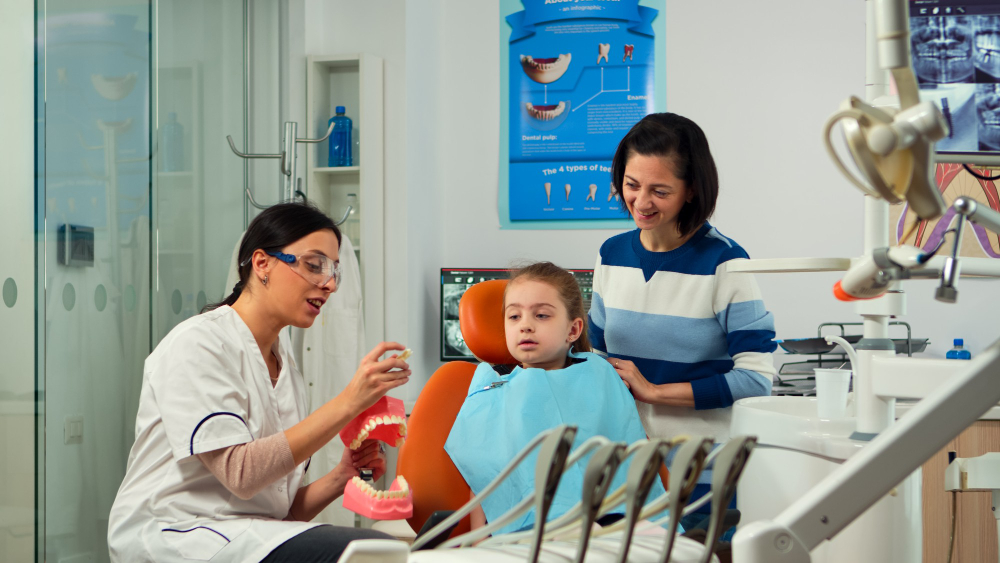
Leverage short, interactive formats you can produce quickly: 30-90 second myth-vs-fact clips, before-and-after photos with captions, and live Q&A polls. Use physical props-dental models, extracted-tooth replicas, or a disclosing tablet-to create tactile moments in the clinic and on Instagram Reels. Track which formats convert by monitoring click-through rates and appointment inquiries, then replicate the top one or two performers.
Start each piece with the myth in 5-8 seconds, demonstrate the correct practice in 20-45 seconds, then close with a single actionable takeaway and a call-to-action like “book a consult” or “send a photo.” Test thumbnails and captions; aim for a 1-3% click-through rate on organic posts and measure conversion to bookings over 30 days. In-clinic, set up a 30-second demo station so your patients can practice techniques and increase follow-up adherence.
Practical Tips for Dentists
Turn cinematic dental moments into quick, clinic-ready lessons by slotting micro-lessons into your workflow: curate 30-60 second myth-busting clips for chairside tablets, use 2-3 annotated stills in the waiting-room loop, and distribute a one-page “Myth vs. Fact” with three clear homecare actions.
- Create a 45-second demo of correct brushing/flossing
- Annotate a film still to highlight anatomical errors
- Offer a printable checklist patients can take home
Knowing you can reduce patient anxiety and questions by addressing misconceptions before they escalate.
Incorporating Media into Practice
Embed short videos and annotated images into specific touchpoints: show a 30-60 second clip pre-appointment, play a 2-3 image slideshow in the reception area, and attach a single-frame myth explanation to appointment reminders so you intercept misinformation at least three times during the patient journey.
Creating Educational Content
Script tightly: aim for 120-180 words for a 60-second clip, focus on one myth per piece, and demonstrate a 3-step corrective action on camera; include captions, a plain-language call-to-action, and ensure visuals highlight instruments and tissues clearly for patient comprehension.
Develop content with a simple production checklist: a 3-shot storyboard (problem, demonstration, outcome), 6th-grade reading-level captions, 30-60 second runtime, and user testing with 5-10 patients for clarity; iterate based on feedback and track which clips generate follow-up questions to measure impact.
Collaborating with Media Professionals
You can streamline accuracy by offering concrete deliverables: a 1-2 hour consultation, a 2-page dental accuracy brief, and an optional on-set day (1-3 days) to advise props and blocking. Producers respond well to timelines and budgets, so propose flat fees or pro-bono short-film rates. For example, advising prop masters on realistic dental appliances avoids common errors like exaggerated drilling sounds and saves reshoots, while giving you leverage to place educational tie-ins that reach broad audiences.
Building Relationships with Filmmakers
You should connect through local film festivals, university film programs, and LinkedIn, offering 60-90 minute guest workshops that demonstrate on-camera dental techniques. Provide sample before-and-after clips and a one-page checklist for scripts and props. Aim to meet creators early-during script development-so one or two consults can reshape scenes without added cost. Maintaining a brief portfolio of past consults and testimonials helps you secure recurring collaborations.
Opportunities for Enhanced Education
You can embed short educational elements directly into productions: a 30-60 second post-credit PSA, a QR code in a scene linking to a vetted fact sheet, or a 60-90 second companion explainer released with the film. Partnering with dental associations or offering a downloadable infographic gives filmmakers credibility while turning a myth-filled moment into an evidence-based teaching opportunity.
Expanding on those options, you might draft a one-page patient-facing infographic and a 60-second explainer video timed to the film’s release, then negotiate placement in trailers, end credits, or social media promos. Measure impact by tracking QR scans, video views, and referral traffic over the first 30 days; a simple baseline report (views, clicks, common questions) makes your contribution quantifiable and attractive to future productions.
The Importance of Continuous Learning
You stay credible by actively refreshing your knowledge; continuing education often ranges from 12-50 hours per licensure cycle, and adding media-communication training helps you counter cinematic misrepresentations. For instance, when films present veneers as instant fixes, you can point out that most veneer cases take 1-3 visits with diagnostic planning and risk discussion. Schedule quarterly guideline reviews and log recent evidence so you’re prepared with precise, current talking points for producers and patients.
Staying Updated on Dental Misconceptions
You should set up 2-3 PubMed or Google Scholar alerts for terms like “root canal outcomes,” “dental anxiety,” and “cosmetic dentistry,” then scan abstracts weekly; follow ADA newsfeeds and subscribe to one systematic-review source. Attend at least one media-training workshop each year so you can translate evidence into concise, on-camera messages, and use brief patient surveys to identify which myths still influence your community.
Resources for Ongoing Education
You should use the Cochrane Library and PubMed for systematic reviews, consult ADA Clinical Practice Guidelines for practical recommendations, and read journals such as Journal of Dental Research or JADA for the latest studies. Combine literature with accredited CE providers offering 5-10 hour modules on communication and ethics, and tap local dental society webinars to monitor regional practice shifts and policy updates.
You should prioritize systematic reviews and meta-analyses when time is limited: set Google Scholar to deliver monthly digests and dedicate two hours weekly to reading summaries. Keep a one-page media cheat sheet with key statistics (e.g., treatment success rates and complication percentages) and document two concise case studies per year that show how you corrected a myth in a clinical or media setting.
To wrap up
From above, Dr. Mina Anis shows how you can convert movie dental myths into teachable moments by pinpointing inaccuracies, offering clear explanations, and demonstrating proper techniques; by doing so you strengthen your credibility, engage your audience, and improve your patients’ oral health literacy while turning entertainment into a practical tool for patient education.


