
Many people desire a bright, healthy smile, and achieving this requires a combination of good practices and professional guidance. In this guide, you’ll discover vital steps you can take to enhance your oral hygiene, from daily habits to regular dental visits with Dr. Mina Anis in Valencia, CA. By following these tips, you can ensure your teeth and gums stay healthy, boosting your confidence and overall well-being.
Understanding Dental Health
Your dental health encompasses more than just the condition of your teeth; it represents a holistic view of your overall well-being. Factors like your diet, hygiene practices, and even genetics play vital roles in maintaining your smile. Understanding these aspects can empower you to take proactive steps in your oral care routine, ultimately leading to a healthier, more confident smile.
Importance of Oral Hygiene
Oral hygiene is fundamental in preventing dental issues such as cavities, gum disease, and bad breath. By brushing your teeth twice a day and flossing regularly, you significantly reduce the buildup of plaque and bacteria, keeping your mouth healthy. Moreover, routine dental check-ups enhance your preventive care, catching potential problems early.
Common Factors Affecting Dental Health
Several factors can impact your dental health, from everyday habits to lifestyle choices. These include diet, smoking, and your oral hygiene routine. Additionally, certain medical conditions and medications may compromise your teeth and gums, leading to issues over time. Understanding these elements helps you make informed decisions about your dental care. Assume that maintaining a balanced diet rich in vitamins and minerals will bolster your dental health, while sugary snacks and drinks can contribute to decay.
- Dietary choices, including sugar intake
- Tobacco use and its effects on gums and teeth
- Oral hygiene practices, such as brushing frequency
- Medical conditions, like diabetes, that can affect oral health
Your lifestyle decisions significantly shape your dental health outcomes. Frequent intake of acidic foods and beverages can erode enamel, while inadequate brushing may lead to plaque formation. Ill-fitting dental appliances may also cause discomfort and affect your hygiene routine. Assume that addressing these aspects can prevent complications and lead to a healthier mouth.
- Frequency of dental visits for check-ups
- Genetic predispositions to dental problems
- Use of fluoride toothpaste for enamel protection
- Impact of stress on oral hygiene habits
Daily Oral Care Routine
A consistent daily oral care routine is imperative for maintaining a healthy smile. This includes brushing your teeth at least twice a day, along with daily flossing and regular rinsing with mouthwash. Implementing these practices can help prevent issues like tooth decay and gum disease, ultimately contributing to your overall oral health. Additionally, consider scheduling biannual visits to your dentist for professional cleanings and check-ups to keep your smile bright and your teeth in optimal condition.
Proper Brushing Techniques
To effectively clean your teeth, use a fluoride toothpaste and a soft-bristled toothbrush. Angle the brush at 45 degrees against your gums and use gentle, circular motions to brush all surfaces of your teeth for at least two minutes. Don’t forget to brush your tongue, as it can harbor bacteria that cause bad breath. Replacing your toothbrush every three to four months is also advised to ensure optimal cleaning efficiency.
Importance of Flossing
Flossing daily removes plaque and food particles that a toothbrush can’t reach, particularly between your teeth and along the gum line. This not only helps to prevent cavities but also reduces the risk of gum disease, which affects nearly half of adults in the U.S. Regular flossing can significantly enhance your oral hygiene routine, leading to better overall health outcomes.
Neglecting to floss allows plaque to accumulate, increasing the likelihood of tartar buildup and ultimately resulting in periodontal disease. A study found that 30% of tooth surfaces go uncleaned unless you incorporate flossing into your regimen. Make it a habit to floss before brushing each day, and consider using tools like floss picks or water flossers if traditional flossing is challenging for you. These small changes can lead to big improvements in your dental health.
Regular Dental Check-ups
Scheduling regular dental check-ups is vital for maintaining your oral health. These visits allow Dr. Mina Anis to identify potential issues early on, ensuring that your smile remains bright and healthy. Professional cleanings remove plaque and tartar that brushing at home might miss, while comprehensive exams help spot cavities or gum disease before they become serious problems.
Frequency of Visits
You should aim for dental check-ups every six months. This frequency is recommended to help catch any developing issues early, ensuring your oral hygiene remains optimal. However, certain conditions may require more frequent visits, so it’s important to follow Dr. Anis’s advice based on your individual needs.
What to Expect During a Check-up
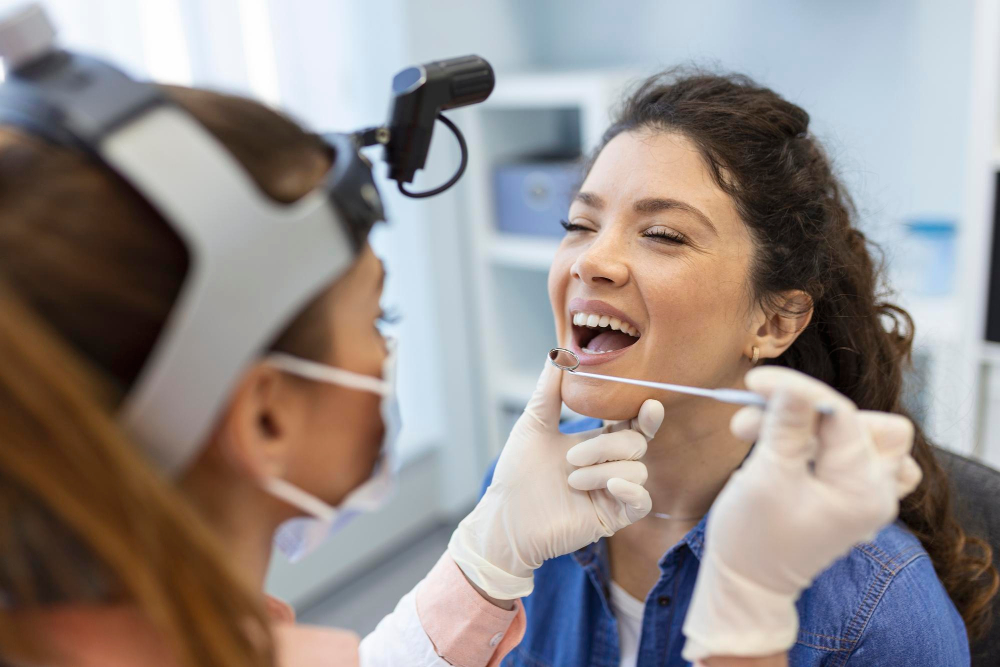
During your check-up, you can expect a thorough examination of your teeth, gums, and mouth. Dr. Anis will assess your oral hygiene practices and may perform a cleaning to remove any buildup. X-rays may also be taken to evaluate areas not visible during the clinical exam. This comprehensive approach ensures that you receive personalized care tailored to your needs.
In a typical check-up, the process begins with a discussion about your dental care routine and any concerns you might have. Next, Dr. Anis will perform a visual inspection and may probe your gums for signs of inflammation. Following this, a dental hygienist will conduct a professional cleaning which includes scaling to remove plaque and polishing your teeth for a smooth finish. If required, Dr. Anis may take X-rays to review areas below the surface, providing insight into any hidden issues. This thorough approach not only keeps your teeth clean but also empowers you with knowledge about your oral health.<|image_gen|>
Nutrition for Healthy Teeth
Your diet plays a significant role in the health of your teeth and gums. By selecting nutrient-rich foods, you can strengthen your enamel and support overall oral health. A balanced diet rich in vitamins and minerals, particularly calcium and phosphorus, is vital for maintaining strong teeth. Incorporating fruits, vegetables, whole grains, and dairy products will not only nourish your body but also contribute to a radiant smile.
Foods That Promote Dental Health
Foods to Avoid
Limiting or avoiding certain foods can significantly impact your dental health. Sugary snacks, soft drinks, and acidic foods can erode enamel and lead to cavities. Starchy foods that linger in your mouth can also contribute to plaque buildup. Opting for healthier choices not only protects your teeth but aids in your overall well-being.
Sugar-laden foods and beverages are prime culprits in tooth decay. When sugar meets the bacteria in your mouth, it creates acid that attacks enamel, leading to cavities. Foods like gummy candies, cookies, and sodas are especially harmful because they stick to teeth and provide a constant source of food for bacteria. Additionally, highly acidic items such as citrus fruits and vinegar can weaken enamel if consumed excessively. Moderation and awareness of these foods can safeguard your dental health while allowing for occasional treats.
Managing Bad Habits
Bad habits can significantly undermine your dental health. Addressing these behaviors is crucial for maintaining a healthy smile. Identifying your habits and understanding their effects allows you to create effective strategies for improvement.
Smoking and Its Effects on Oral Health
Smoking leads to numerous oral health issues, including gum disease, tooth decay, and oral cancer. The chemicals in tobacco weaken your immune system, making it harder for your body to fight infections in the mouth. Additionally, smoking causes bad breath and teeth discoloration, diminishing the aesthetic quality of your smile.
The Impact of Sugar Consumption
High sugar intake is linked to an increased risk of cavities and gum disease. Sugars feed the bacteria in your mouth, producing acid that erodes tooth enamel. This process can lead to painful dental issues and costly treatments over time. Cutting back on sugary snacks and beverages contributes significantly to preserving your oral health.
Excessive sugar consumption directly correlates with the incidence of cavities. Studies indicate that children and adults who consume high amounts of sugar are much more susceptible to decay. For example, a diet high in sugary snacks can double your risk of cavities compared to a balanced diet. Opting for healthier alternatives, like fruits and nuts, can reduce sugar intake while providing crucial nutrients, positively impacting your overall dental health.
Tips for Maintaining Fresh Breath
Fresh breath is important for a confident smile. You can easily incorporate certain habits into your daily routine to keep your breath smelling clean and pleasant. The following tips will help you maintain fresh breath:
- Brush and floss regularly to remove food particles.
- Stay hydrated to prevent dry mouth.
- Chew sugar-free gum to stimulate saliva production.
- Use mouthwash for an extra layer of freshness.
- Incorporate crunchy fruits and vegetables that naturally cleanse your mouth.
Knowing these habits can significantly improve your oral freshness.
Home Remedies
For a quick solution to bad breath, consider using natural home remedies. Baking soda can neutralize odors, while green tea acts as a natural antibacterial agent. Chewing on fresh parsley or mint leaves can provide immediate freshness. Additionally, a mixture of lemon juice and water can help stimulate saliva production and combat unpleasant smells.
When to Seek Professional Help
If bad breath persists despite good oral hygiene practices, it may indicate an underlying health issue. Conditions such as gum disease, tooth decay, or even systemic illnesses can lead to chronic bad breath. Regular visits to your dentist can help identify these problems early on, ensuring proper treatment and management.
Persistent bad breath isn’t just an inconvenience; it can signal serious health concerns that require attention. If you notice symptoms such as swelling, bleeding gums, or a foul taste in your mouth, it’s crucial to consult Dr. Mina Anis promptly. This proactive approach can provide insights into whether there are more significant dental or health issues that need to be addressed, ensuring you maintain both oral and overall health.
Final Words
Presently, ensuring a lasting, healthy smile involves regular visits to Dr. Mina Anis in Valencia, CA, along with consistent oral hygiene practices at home. You should brush your teeth twice daily with fluoride toothpaste and floss daily to eliminate plaque. Additionally, a balanced diet and limiting sugary snacks will significantly benefit your dental health. Regular check-ups will help you catch any issues early, ensuring your smile remains vibrant and strong for years to come. Prioritize these habits to maintain excellent oral health.


