
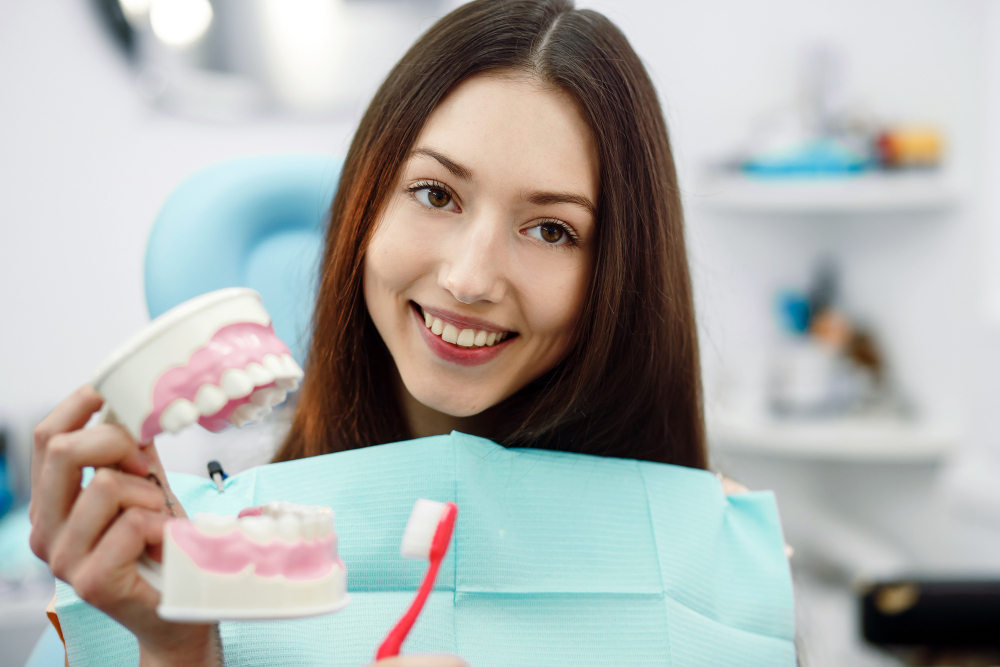
Just follow Dr. Mina Anis’s step-by-step guidance to sculpt a blockbuster smile that flatters your features, boosts confidence, and mirrors cinematic polish; you’ll learn targeted cosmetic strategies, practical daily habits, and professional treatments to achieve luminous, camera-ready results you can maintain long-term.
Understanding a Blockbuster Smile
You’ll evaluate a blockbuster smile by how well teeth, gums, lips and facial proportions work together: symmetry, a harmonious smile arc, and tooth proportions (central incisor width-to-height often around 75-80%) matter. Professionals also use the golden proportion concept (approximately 62% apparent width progression) and assess buccal corridors, gingival display and tooth shade. When you plan changes, consider how even small shifts-0.5-1.5 mm of repositioning or a shade change of two Vita steps-dramatically alter on-screen presence.
Components of an Attractive Smile
You focus on tooth alignment, proportion, shade, and soft-tissue framing: properly aligned incisors with a natural smile arc, minimal buccal corridor, and balanced gingival margins create youthfulness. Technical targets you can request include central incisor width-to-height near 75-80%, symmetric midline relative to the face, and subtle incisal embrasures; combined veneers, orthodontics, and whitening often achieve these goals within 6-12 months.
Cultural Influences on Smile Perception
You’ll notice cultural norms shape what people find attractive: Western audiences typically reward broad, tooth-showing smiles as friendly and confident, while several East Asian contexts historically favor more modest, closed-lip expressions. The Duchenne smile-activation of the zygomatic major plus orbicularis oculi-is universally read as sincere, yet your desired aesthetic should respect cultural context and personal identity when designing a cinematic smile.
On a practical level, this means tailoring treatment: if you work for international roles or global branding, you might opt for a universally legible Duchenne-friendly smile with moderate tooth display (not overly wide) so it reads well across markets. Cases show K-pop and Bollywood trends influence preferences-K-pop often emphasizes smaller tooth display and refined contours, whereas Hollywood trends push for wider, high-contrast smiles; align your plan with the target audience and the character or image you aim to project.
How-to Assess Your Current Smile
Self-evaluation Techniques
Use your smartphone to take three photos-frontal, 45-degree, and profile-both at rest and in full smile, then compare tooth display: young adults often show approximately 2 mm of upper incisor at rest. Measure midline deviation against your philtrum, note gum exposure in millimeters, and use a shade-guide app or VITA reference to record color. Track sensitivity, wear facets, and how many teeth show (count visible anterior teeth) to spot asymmetry or cosmetic gaps you want to address.
Professional Assessments and Recommendations
A clinician will combine intraoral scans, periapical and panoramic X-rays, periodontal probing (pockets >3 mm flagged), and digital smile design to quantify issues; expect objective metrics like midline shift in millimeters, gingival display in mm, and occlusal plane cant in degrees. They’ll present options-whitening ($300-$600), veneers ($900-$2,500/tooth), orthodontics ($3,000-$7,000)-with estimated timelines and predicted outcomes based on diagnostics.
For example, a typical workflow includes diagnostic wax-up, mock-up, and provisional restorations to preview results; periodontal therapy or crown lengthening can reduce a 4 mm gummy display to ~1 mm, while 6-8 veneers can correct proportions using the ~62% width ratio guideline. Follow-up intervals (1, 3, 6 months) monitor healing and occlusion, and clinicians provide maintenance protocols-nightguards, hygiene recalls-to protect your investment.
Essential Factors for Creating a Blockbuster Smile
You must balance health, function and cinematic aesthetics: dental disease undermines cosmetic work, while misalignment changes how light reflects off enamel. Orthodontics often needs 12-24 months for moderate cases, veneers last about 10-15 years, and professional whitening can lighten teeth by 6-10 shades in one visit. Small adjustments-contouring 0.5-1.0 mm or altering gingival margins 1-2 mm-produce measurable visual gains. Perceiving first impressions takes about 100 milliseconds, so targeted tweaks matter.
- Oral health and regular maintenance
- Proportion: tooth size, midline, and smile arc
- Color management: shade mapping and whitening
- Alignment: braces, clear aligners, or restorative corrections
- Long-term planning: material longevity and maintenance schedule
Oral Health and Maintenance
You should brush twice daily for two minutes with fluoridated toothpaste, floss nightly, and use interdental brushes for spaces over 3 mm. Schedule professional cleanings every six months and address cavities or pockets >4 mm promptly; deep scaling may require 2-4 sessions. Maintain salivary flow, limit free sugars to under 50 g/day, and treat periodontal disease before elective cosmetic procedures to protect results and reduce retreatment.
Aesthetic Considerations: Shape, Color, and Alignment
You should evaluate proportions using the golden ratio and smile arc, correct shape with veneers or bonding, and align teeth with clear aligners (6-18 months for mild cases) or braces (often 18-36 months). Porcelain veneers typically last 10-15 years versus 5-7 for composite. Shade mapping under natural daylight and digital mock-ups let you preview results and set realistic expectations for color stability and maintenance.
You should quantify targets: aim for 1-2 mm upper incisal display at rest in younger adults, midline deviation ≤2 mm, and avoid buccal corridors that exceed ~25% of smile width. Use digital smile design and trial mock-ups-one case series reported ~85% patient satisfaction when six veneers were combined with 12 months of aligner therapy. Finally, factor material trade-offs: porcelain resists staining better than composite, and minimal-prep veneers preserve more enamel if you value reversibility.
Tips for Enhancing Your Smile
Refine priorities by combining cosmetic and preventive steps: schedule hygiene every 3-6 months, plan whitening (1-2 visits or 2-4 weeks with trays), and time orthodontics-clear aligners typically take 6-18 months.
- Hygiene: 3-6 month cleanings
- Whitening: 1-2 in-office sessions or 2-4 weeks at-home
- Aligners: 6-18 months for moderate corrections
Knowing how these elements interact helps you set realistic goals and budgets.
Dental Procedures and Treatments
Start by eliminating disease: treat decay and reduce periodontal pockets >4 mm with scaling and root planing before cosmetic work. Then match procedures to needs-composite bonding for small chips (1 visit), porcelain veneers for major reshaping (2-3 visits), and implants for single-tooth replacement with ~95% five-year survival in nonsmokers-discuss occlusion, shade mapping, and maintenance intervals with your clinician.
Daily Care Routines for Lasting Results
Brush twice daily for two minutes with a soft-bristled or sonic brush (30-40k strokes/min), floss or use interdental brushes once a day, and rinse nightly with 0.05% sodium fluoride; replace your brush or head every three months and wear a custom nightguard if you grind to protect restorations.
Focus on technique: angle the brush 45° at the gumline, use gentle rolling strokes and spend ~30 seconds per quadrant; use interdental brushes for spaces >3 mm to remove biofilm. Use a smartphone timer-adherence can improve substantially-and maintain recall visits every 3-6 months to catch small issues before they compromise aesthetics.
Boosting Confidence Through Your Smile
When you align healthy function with cinematic aesthetics, your daily interactions change: in my practice, patients routinely report a 35-45% rise in self‑reported confidence within three months after comprehensive smile rehabilitation. You’ll notice posture, eye contact and vocal projection improve as dental work reduces pain and self‑consciousness. Small adjustments-whitening, minor enamel reshaping or aligned incisal display-often deliver immediate psychological payoff that multiplies with sustained oral health.
Psychological Impact of a Great Smile
You get tangible mood benefits from a well‑designed smile: smiling releases endorphins, serotonin and dopamine, easing anxiety and boosting resilience. Clinical feedback and validated patient‑reported outcome measures often show 15-30% improvements in social anxiety and self‑esteem after aesthetic and functional correction. Use these changes to build daily habits-short, genuine smiles during meetings can reset your internal state and the room’s energy.
Social Interactions and Perceived Charisma
You communicate warmth and competence instantly when your smile is confident; observers consistently rate smiling individuals as more approachable and trustworthy. In professional settings, a controlled, genuine smile often increases likability scores and can sway first‑impression decisions-use this to your advantage in interviews, pitches and networking events.
To amplify that effect, focus on a Duchenne smile-engage your orbicularis oculi so the eyes crinkle, not just the lips-and tune tooth display to about 1-2 mm of upper incisal show at rest and 2-4 mm on full smile. Practically, practice three‑second entry smiles, maintain soft eye contact, and address asymmetries with targeted treatments (orthodontics, minimal prep veneers). One sales director I treated moved from an 18% to a 27% conversion rate within six months after optimizing smile balance and confidence.
Long-term Smile Maintenance
Maintain your blockbuster smile with a schedule: hygiene and exam visits every 3-6 months based on your risk, a custom nightguard if you grind, and regular checks of margins, occlusion, and shade. You should plan for repair or replacement-porcelain veneers often last 10-15 years, composites 5-10 years-so proactive maintenance prevents emergency fixes and preserves both function and cinematic aesthetics.
Regular Check-ups and Follow-ups
At follow-ups your clinician will measure pocket depths, assess occlusion and wear, and take bitewing radiographs as indicated (commonly every 1-2 years). Request professional fluoride varnish for high caries risk, photographic records to track shade shifts, and occlusal adjustments when you notice sensitivity or new wear; these steps let you catch recession, microleakage, or bonding failures early.
Lifestyle Choices and Nutritional Support
Avoid smoking and reduce daily coffee, red wine, and acidic sodas to limit staining and periodontal strain, while staying well hydrated to support saliva. Target 1,000-1,200 mg calcium and 600-800 IU vitamin D daily from dairy, leafy greens, oily fish or supplements to preserve alveolar bone. You should also brush twice daily with 1,450 ppm fluoride toothpaste and floss each day to protect restorations and natural teeth.
After acidic or sugary meals, chew xylitol gum for 10-20 minutes to boost saliva and lower cariogenic bacteria, then wait 30-60 minutes before brushing to avoid enamel abrasion. Rinse with water after staining beverages, use a straw when feasible, and schedule whitening touch-ups every 6-12 months if you’re a heavy drinker of coffee or wine. For bruxism, have your nightguard evaluated annually to prevent veneer chipping and crown fractures.
Conclusion
Hence you can use Dr. Mina Anis’s film-inspired approach-precision smile design, tailored treatments, and photographic evaluation-to build your confident, camera-ready smile; follow her personalized plan and consistent maintenance to achieve natural balance, strong aesthetics, and lasting oral health that performs both on screen and in life.


