
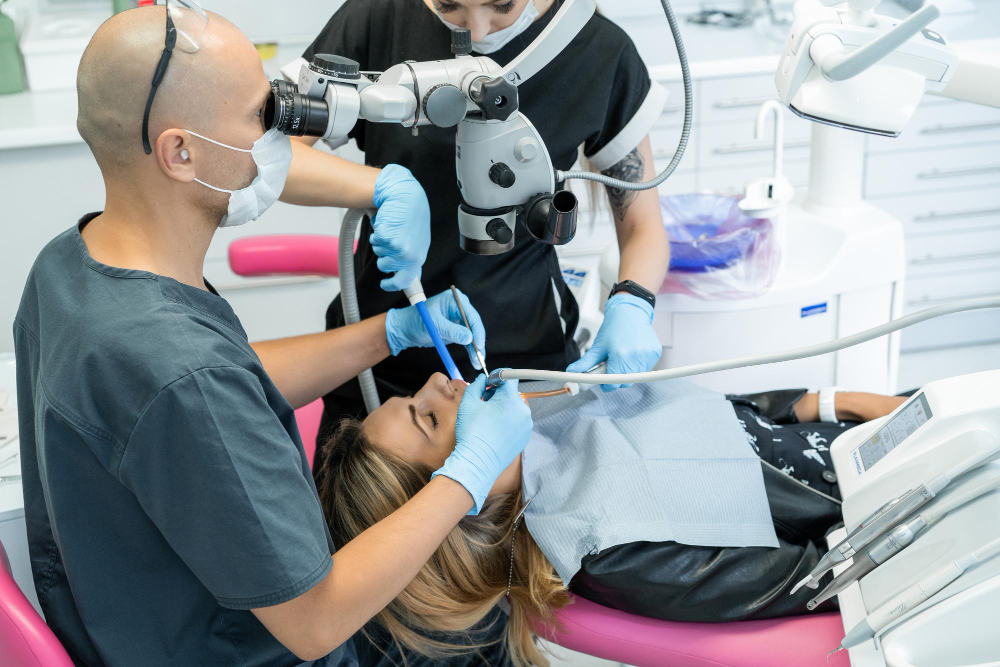
Dentistry becomes a staged, calming narrative when you apply cinematic principles to your visit; Dr. Mina Anis shows you how to direct lighting, curate sound, pace transitions, and craft pre-visit rituals so your appointments feel intentional and less stressful. You’ll learn practical steps for visualizing the scene, choosing sensory anchors, and communicating with your care team to turn routine care into an empowering, story-driven experience.
How-to Prepare for Your Dental Visit
Before you step into the operatory, gather your insurance card, a current medication list with dosages, and any recent x-rays (ask your previous provider for digital transfer). Arrive 10-15 minutes early to complete forms and update health history. Expect routine hygiene visits to last 30-60 minutes; block 1-1.5 hours if you anticipate fillings or crowns. Note allergies, write two priority questions, and arrange transportation whenever sedation is planned.
Choosing the Right Dentist
Verify credentials and fit: confirm state licensure and ADA membership, seek 3-5 years minimum general experience or specialty training for implants/endodontics, and scan 30-50 recent reviews for trends in pain control and punctuality. Ask if they use digital x-rays, intraoral cameras, or CBCT for precise diagnostics. Book a 10-15 minute consultation to evaluate communication style, ask about emergency coverage, and confirm billing/insurance procedures.
Setting the Scene: Your Comfort Zone
Tell staff about anxiety triggers and preferred aids-noise-cancelling headphones, a neck pillow, or nitrous oxide-and agree on a clear stop signal such as raising your hand. Request breaks every 10-15 minutes during longer work, prepare a calming playlist, and practice two diaphragmatic breaths before the chair. Keep glasses and hearing aids on until instructed otherwise to stay oriented and in control.
If your anxiety scores above 5/10 on intake, discuss specific sedation strategies: nitrous oxide offers anxiolysis within 2-3 minutes and wears off in 5-10 minutes, while oral sedatives require prior dosing and a responsible driver. Modify sensory input by asking for a soft light filter, use a weighted lap pad about 5-10% of your body weight to reduce hyperarousal, and split treatment into multiple 20-30 minute blocks rather than a single long appointment; these measurable adjustments lower heart rate and improve cooperation during procedures.
Tips for a Cinematic Experience
You can stage your visit by timing arrival: aim to check in 10-15 minutes early to avoid rushed scenes. Bring noise-cancelling headphones rated for ≈30-40 dB to mute drill noise and use a narrative mindset-visualize a three-act arc (arrival, procedure, recovery). Wear muted, non-reflective fabrics to reduce glare under clinical lights. After you follow these tips, your next visit will feel like a short film.
- Schedule mid-morning appointments to minimize waiting-room crowds and interruptions.
- Pack a clear pouch with imperatives: headphones, neck pillow, lip balm, and sanitation wipes.
- Use a single continuous playlist or 20-30 minute mix to avoid jarring transitions.
- Confirm prop policies with staff ahead of time to ensure smooth check-in.
Creating the Perfect Playlist
You should assemble a 20-30 minute playlist that mirrors a three-act structure: calm opener (60-70 bpm), focused middle (ambient instrumental), and gentle close (solo piano). Choose 8-12 tracks-examples: Brian Eno ambient piece, a Max Richter piano segment, a soft film-score cue-and set volume to about 60% to maintain awareness. Download offline and use gapless playback to prevent abrupt stops during the procedure.
Bringing Props to Enhance the Experience
Bring a U-shaped neck pillow (10-12 cm thickness) to stabilize your head and a lightweight fleece blanket (90×120 cm) to stay comfortable under bright lights. Add polarized sunglasses to cut glare and a small 4-5 cm tactile object, like a stress ball, for grounding. Store items in a clear pouch for quick inspection and verify with staff which items must be set aside during x-rays or impressions.
Prefer materials that can be wiped with 70% isopropyl wipes-silicone or vinyl covers work well-so staff can easily sanitize between uses. Avoid loose scarves or necklaces that could slip toward your mouth; keep props under 15×15 cm when possible. If you plan to use a small fan or LED candle, bring battery-powered units and show them to staff first to confirm safety and clinic policy.
Factors to Consider for a Memorable Visit
You should align logistics, comfort, and clinical options: schedule 45-60 minute slots for restorative work, confirm if the clinic offers nitrous oxide or oral sedation, and scout lighting and sound levels beforehand. Use concrete examples-ask for noise‑cancelling headphones, a weighted blanket, or an early‑morning appointment to minimize waiting. Any small preference, like a hand‑signal to pause or a preferred playlist, can reshape the visit into a calm, cinematic sequence.
- Appointment length and timing (aim 45-60 minutes for complex work)
- Anxiety assessment (use MDAS score to guide planning)
- Sensory controls: lighting, sound, tactile comforts
- Sedation options: nitrous (2-3 min onset) vs. oral (30-60 min onset)
- Clear communication: stop signals, checklist, pre-visit email
Assessing Your Anxiety Levels
Use the Modified Dental Anxiety Scale (MDAS) to quantify feelings-scores run 5-25, with ≥19 indicating severe anxiety-and note behaviors like cancelling more than 2 appointments/year or avoiding care for 12+ months. Try a 60-120 second breathing baseline before and after a phone consult to detect changes, and bring your MDAS score to the appointment so the team can match strategies to your level.
Communicating Your Preferences to the Dentist
Tell the team your top priorities in advance: preferred music, breaks every 15-20 minutes, a clear stop signal (hand raise or two taps), and whether you want nitrous oxide (acts in 2-3 minutes) or oral sedation (30-60 minute onset). Prepare a one‑page checklist of 3-5 ranked items to hand over at check‑in so everyone knows what matters most to you.
Email that checklist 24-48 hours before the visit to allow scheduling and medication planning; during the consult, state prior anesthetic reactions, TMJ concerns, and whether you want to preview X‑rays or instruments on screen. Ask to agree on an explicit stop procedure and whether a companion may remain-clinics that adopt pre‑visit checklists typically find fewer interruptions and smoother chairside workflow.
How-to Use Technology to Your Advantage
Integrate smartphone and clinic tech to control pacing and atmosphere: set Do Not Disturb and schedule playlist starts, enable appointment reminders 48 and 2 hours before, upload pre-visit photos to the portal for faster chairside planning, and use digital consent forms to shave minutes off intake. You can stream a curated soundtrack through noise-canceling headphones, start a guided-breathing app as you recline, and request dimmed operatory lighting to turn routine steps into cinematic cues.
Virtual Reality in Dentistry
During longer restorations you can use standalone headsets (Oculus Quest 2, Pico) to transport patients to calm environments; randomized trials and meta-analyses report reductions in self-reported pain and anxiety around 20-30% with immersive distraction. You should choose dental-specific VR content that mutes clinical audio, apply disposable headset covers for hygiene, and coordinate with staff so the operator can view procedure timers while the patient experiences continuous immersion.
Utilizing Calm Apps During Procedures
Select apps with guided-breathing and timed sessions-Calm, Headspace, Breathwrk-or playlists optimized for focus; set a 15-30 minute session and pair with over-ear or bone-conduction headphones. You can use programs that pace breathing at 4-6 breaths per minute to boost heart-rate variability, sync audio length to the expected procedure time, and preload offline content to avoid connectivity issues in the operatory.
Integrate biofeedback when possible: pair the app with a simple wearable (Apple Watch, Polar) to monitor heart rate and adjust breathing tempo in real time, cueing slower breaths if your heart rate stays elevated. Clinics can standardize protocols-dim lights, prompt a 2-minute breathing primer, then start the session-and track outcomes; within about 10 minutes you often see measurable drops in heart rate and subjective anxiety, reducing the need for pharmacologic adjuncts in many cases.
Tips for Post-Visit Enjoyment
Once you step outside, extend the cinematic arc with deliberate actions: take a 10-15 minute walk to reset your autonomic tone, sip 250-500 ml of water, and avoid hot or crunchy foods for 1-2 hours if you had local anesthesia. Log a 0-10 comfort score and note any odd sensations-clinicians value specifics like “numbness lasted 90 minutes.” Perceiving the visit as part of a routine self-care ritual makes follow-up and future planning smoother.
- Spend 5 minutes writing one clear sentence about what helped (music, lighting, or staff communication).
- Send a 2-3 line message to your provider within 48 hours highlighting one improvement or question.
- Share a concise 3-sentence public review-procedure, what stood out, outcome-and include photos only with consent.
Reflecting on the Experience
Spend 5-10 minutes rating pain, anxiety, and satisfaction on a 0-10 scale and note which elements reduced distress (for example, noise-cancelling headphones or scheduled 5-minute breaks). If your appointment ran 45-60 minutes, compare expected vs actual recovery time and jot one tweak for next time-ask for extra breaks after 20-30 minutes or request a slower pacing of steps.
Sharing Your Story
Post a concise account within 48 hours to help others and to give actionable feedback: state the procedure, name one technique that improved comfort (guided breathing, playlist, or clinician pacing), and rate the outcome 1-10. If you prefer privacy, send a direct message or email; many practices respond within 24-48 hours and act on specific patient notes.
Use a 3-sentence template to keep posts useful: sentence one situates the visit (procedure + date), sentence two highlights one actionable element (staff communication, pacing, tech), sentence three summarizes outcome and one tip for peers. You might post: “Had a crown prep on 5/12; the clinician’s stepwise explanations and breaks kept me calm; outcome excellent-ask for a 10-15 minute decompression walk afterward.”
How-to Involve Family and Friends
Turn a routine appointment into a shared experience by inviting one or two companions-limit the group to three to avoid crowding. You should coordinate check‑in times 10-20 minutes apart, assign simple roles like driver, playlist curator, or photographer, and agree on sensory preferences (volume, lighting). A five‑minute pre‑visit briefing keeps everyone aligned and helps you stage a smoother, more cinematic visit.
Encouraging Others to Join You
Frame the invite as low effort: send a 40-60 word message, offer to handle booking, and propose concrete slots (for example, 10:00 or 14:30). You can share a short clinic tour clip or curated playlist to set expectations. Offer a clear post‑appointment plan-coffee, a 20-30 minute walk, or a quick photo session-to increase the odds that friends will say yes.
Making It a Fun Event
Adopt a theme like “premiere night” or “spa visit,” prepare a 15-20 song playlist, and bring small props for playful photos. You should plan a 20-30 minute post‑visit meetup with snacks and hand out printed “tickets” to build ritual; with participant consent, capture candid shots to turn the day into a memorable short film.
You can designate three simple roles to streamline the event: greeter to ease conversation, photographer to collect B‑roll outside clinical zones, and DJ to manage the soundscape-each role takes under 10 minutes. If you plan to film inside, ask the clinic for permission and limit footage to non‑clinical areas. Aim for a 45-60 minute total outing and produce one short highlight clip to share with attendees.
Summing up
Ultimately, by applying Dr. Mina Anis’s principles you transform dental visits into cinematic experiences: you guide narrative flow, design lighting and sound to reduce anxiety, use visuals and pacing to focus attention, integrate patient-facing tech for immersion, and train staff to perform with empathy and clarity. With intentional aesthetics and clear communication, your practice will deliver memorable, calming care that changes how patients perceive dentistry.


