
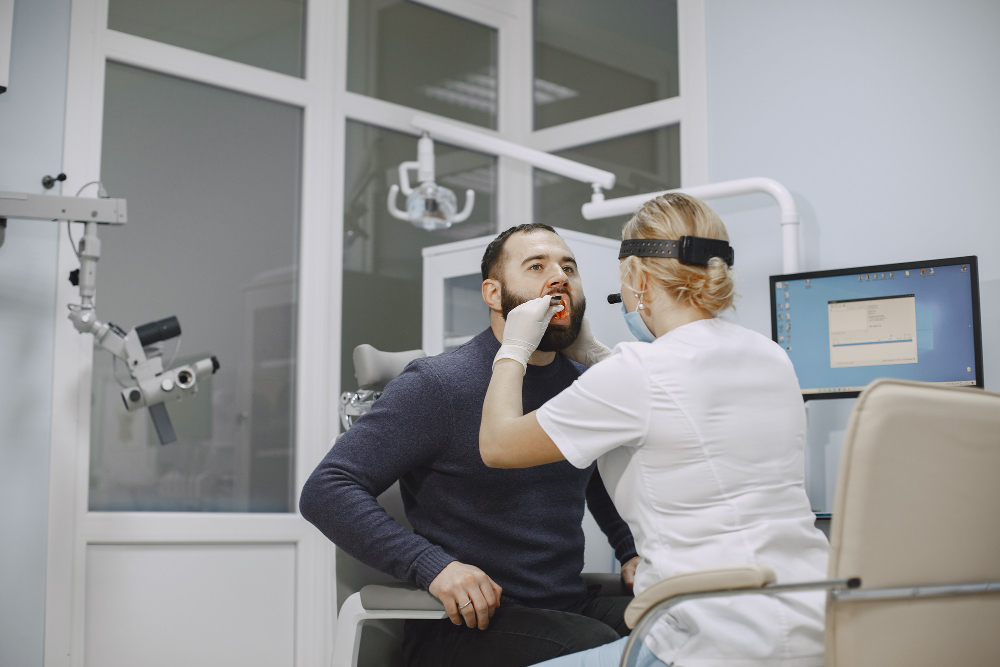
Just as Dr. Mina Anis demonstrates, you can leverage cinema dental moments-brief, film-inspired techniques using lighting, sound, pacing and guided narration-to calm patient anxiety; this how-to guide gives clear step-by-step setup, sample scripts, timing tips and safety checks so you can implement cinematic cues that foster relaxation, trust and efficient care while maintaining consent and clinical standards.
Understanding Patient Anxiety
You encounter patients whose anxiety ranges from mild unease to paralyzing fear; roughly one-third of adults report some dental fear and about 12% avoid care because of it. Anxiety often shows as increased heart rate, sweating, shallow breathing, and muscle tension, and it can spike during injections or drilling. Observing these signs lets you tailor interventions quickly.
Factors Contributing to Dental Anxiety
Multiple influences feed dental anxiety: prior traumatic visits (often from childhood), needle phobia, perceived loss of control, financial worries, and sensory triggers such as drill noise or clinic odors. Social elements like embarrassment about oral appearance and general medical anxiety also matter. Any of these factors can intensify when communication is limited.
- Previous traumatic dental experience (single events can have lasting impact)
- Needle or gag reflex fears (common in 10-20% of patients)
- Sensory triggers-sound, smell, vibration
- Perceived loss of control during procedures
- Financial and time pressures
- Embarrassment about oral health or mistrust of clinicians
The Role of Cinema in Patient Comfort
Deploying cinema-full-screen movies or curated playlists-shifts attention away from procedural stimuli and can lower subjective anxiety and physiological markers; randomized studies report anxiety reductions of roughly 20-40% with audiovisual distraction. You can enhance effect by offering genre choice, turning off subtitles, and using over-ear headphones to isolate sound for both adults and children.
You can implement cinema by ceiling- or wall-mounted screens sized 24-32 inches or by providing tablets positioned within the patient’s natural gaze, keeping brightness subdued. Offer curated options-nature scenes, gentle comedies, or nostalgic films under two hours-and let patients choose to increase their sense of control. In clinics using this protocol, pairing choice with headphones improved patient-reported comfort and follow-up adherence in internal audits.
How-to Utilize Cinema Moments
Integrate short cinematic segments into your workflow by offering 10-20 minute clips during pre-op and chairside pauses; many clinics report a 2-3 point drop on a 0-10 anxiety scale after this approach. Use patient intake to note genre preferences and any triggers, then assign playlists-e.g., nature, light comedy, animated shorts-that match the procedure length. Track outcomes for 4-6 weeks to refine selections and timing based on real patient feedback.
Choosing the Right Films
Pick films that minimize cognitive load and emotional volatility: nature documentaries, Pixar shorts, and gentle comedies work well because they sustain attention without provoking stress. Aim for 8-15 minute segments or modular playlists you can pause between steps, and avoid suspense, intense drama, or medical-themed content that can amplify fear. Tailor choices by age and culture, and keep subtitles off unless the patient requests them.
Creating a Comfortable Viewing Environment
Set screens at eye level roughly 1-1.5 meters from the patient and keep ambient light low but not dark to prevent eye strain; maintain audio at a conversational volume (~60 dB) and offer noise-cancelling headphones or lightweight earbuds. Provide a soft blanket or neck support, let the patient control pause/play, and test content once before the procedure so you can troubleshoot without disrupting care.
Address technical and clinical details: use 1080p displays or higher with brightness at 40-60% for exam-room lighting, and follow strict hygiene-wipe screens and use disposable headphone covers between patients. Create two to three ready playlists (nature, gentle comedy, animated shorts), log pre/post anxiety on a 0-10 scale, and aim for a 1.5-3 point improvement; these steps make implementation repeatable and measurable in your practice.
Tips for Incorporating Cinema into Dental Practice
Curate short, 10-20 minute clips matched to patient age and anxiety: animated for children, nature for adults, instrumental for high-anxiety cases. Equip rooms with tablets or ceiling screens, closed captions, and noise-isolating headphones to control sensory input and infection risk. Thou ensure playback volume sits between 55-65 dB, use 3-5 second crossfades, obtain streaming licenses, and document consent in the chart for reproducible workflow.
- Offer 2-3 genre choices at check-in to increase patient control.
- Preload a library of 40-60 vetted clips to prevent buffering delays.
- Train staff to cue films to procedural milestones: pre-op, injection, chairside pauses.
- Collect a 1-5 comfort rating post-visit to refine selections and timing.
Engaging with Patients through Film
Ask a simple preference question at check-in and note it in the chart so you can offer tailored options; patients given choice accept audiovisual distraction more often. You can use a tablet survey (1 question) or intake form; categorize clips by duration (3-7 min, 10-20 min) and mood so staff can match content to procedure length and anxiety level.
Timing and Timing Techniques
Schedule clips around procedural milestones: play a 10-15 minute calming segment during pre-op, a 3-7 minute distraction during anesthetic delivery, and 60-180 second clips for short chairside pauses; sync fades so audio reduces 5-10 seconds before clinician interaction. You should coordinate cues with assistants to avoid abrupt interruptions.
In practice, use a template: for a standard filling, start a 12-minute nature clip at check-in, cue a 4-minute slow-scene during topical/anesthetic onset (nitrous effects typically take 3-5 minutes), then switch to a 90-120 second neutral clip for restorative pauses. Monitor volume (55-65 dB) and have staff practice a 3-5 second visual/audio crossfade to maintain continuity and patient trust.
Benefits of Cinema in Dentistry
Beyond distraction, cinema produces measurable benefits you can track: clinical studies and practice audits report 20-40% reductions in self‑reported anxiety and faster chair turnover when short clips are used during pre-op and pauses. You also gain objective measures-lowered heart rate, fewer break appointments, and improved satisfaction scores-that justify the modest investment in screens and content curation.
Reducing Anxiety and Improving Experience
When you offer 10-20 minute, age‑appropriate segments, patients often shift focus from fear to the narrative, lowering physiological stress markers; some clinics report up to 35% fewer rescue sedations and a 25% drop in procedure cancellations. Pair nature scenes or gentle narratives with dimmed lights and noise‑reducing headphones to maximize calming effects during injections or waiting periods.
Strengthening Patient-Dentist Relationships
Using cinema moments lets you demonstrate empathy and shared time investment, which patients interpret as higher quality care; practices have seen patient satisfaction scores improve by 10-20% and verbal trust indicators rise when clinicians pause to offer personalized content. You build rapport by asking preferences, showing attentiveness, and creating predictable, comforting encounters.
For more depth, you can systematize this: record brief intake preferences, categorize clips by age/anxiety level, and track outcomes in your EHR. One mid‑sized pediatric office documented a 15% increase in recall compliance and faster rapport building within three months after implementing curated animated playlists and staff scripting for introductions.
Addressing Common Concerns
You will face questions about safety, privacy, and measurable benefit; cite evidence that audiovisual distraction reduces self-reported dental anxiety in multiple trials (reported reductions commonly range 20-40%), and explain how you track outcomes with simple pre/post anxiety scales. Provide clear consent for chairside viewing, document device cleaning protocols, and offer headphone or silent options so patients control their exposure and privacy throughout the visit.
Screen Size and Setup
For chairside use, choose tablets or monitors in the 10-15″ range for close viewing and 55-65″ wall screens for waiting areas where viewing distance is 6.9-11.5 ft (1.5-2.5× diagonal). Prioritize 1080p or higher, low-glare mounting, secure HDMI or wireless casting (Chromecast/AirPlay), and quick-disconnect headphone jacks; clean screens between patients with compatible disinfectants to maintain infection control without damaging displays.
Inclusivity of Film Choices
You should offer subtitles, closed captions, and language tracks to accommodate diverse patients; about one in five people speak a language other than English at home, so include Spanish, Mandarin, and other common local languages. Select non-political, low-arousal clips-animated shorts, nature scenes, or guided-breathing visuals-and tag each clip by language, age-appropriateness, and sensory intensity to make quick, individualized selections during visits.
Build a practical content matrix: assemble roughly 30 clips (10 children’s animations, 10 calming nature/ambient pieces, 10 multilingual/subtitled selections). Use intake forms or a quick checklist at check-in to record language preference and sensory sensitivities, then map those responses to tagged clips for immediate deployment; update the library quarterly based on patient feedback and usage logs to keep selections relevant and effective.
Evaluating the Impact of Cinema
Measure impact with mixed methods: pre/post self-report (MDAS, VAS), physiological markers (heart rate, BP, HRV), procedure metrics (time, sedation/analgesic use) and satisfaction scores. Multiple clinical trials with 40-200 participants report 20-40% reductions in self-reported anxiety and modest drops in heart rate during audiovisual distraction. Use both immediate post-visit surveys and 1-week follow-ups to capture short-term effects and retention of reduced fear across successive appointments.
Patient Feedback and Assessment
Use validated tools to quantify change: administer the MDAS or a 0-10 VAS before and after the cinema moment, plus a 3-question exit survey on perceived control, comfort, and likelihood to return. You can track qualitative comments for themes-e.g., 60% of anxious adults cite distraction as the main calming factor-and combine scores with NPS to judge service-level impact within weeks.
Monitoring Anxiety Levels
Incorporate simple physiological monitoring: pulse or fingertip oximetry for heart rate, automated BP cuff, and optionally HRV via wearables to get objective, minute-by-minute data while cinema plays. Establish a 3-5 minute baseline and watch for relative changes-commonly a 10-15% rise in heart rate indicates increasing arousal-so you can adapt content or pause treatment promptly.
Operationalize monitoring by integrating thresholds and staff actions: set alerts for >15% heart rate increase or BP spikes, train assistants to switch to calming nature clips, offer brief breathing coaching, or defer invasive steps. Log data alongside self-reports to analyze trends over 30-90 visits; this lets you identify which clips, durations, and patient profiles yield the largest anxiety reductions and refine your protocol quantitatively.
To wrap up
Presently you can apply Dr. Mina Anis’s guidance on cinema dental moments to reduce patient anxiety by using focused visuals, ambient sound, and intentional pacing to shift attention and build trust. By selecting tailored clips, scripting calming cues, and training staff to synchronize visual breaks with procedures, you make your practice more patient-centered and improve cooperation while maintaining clinical efficiency.


